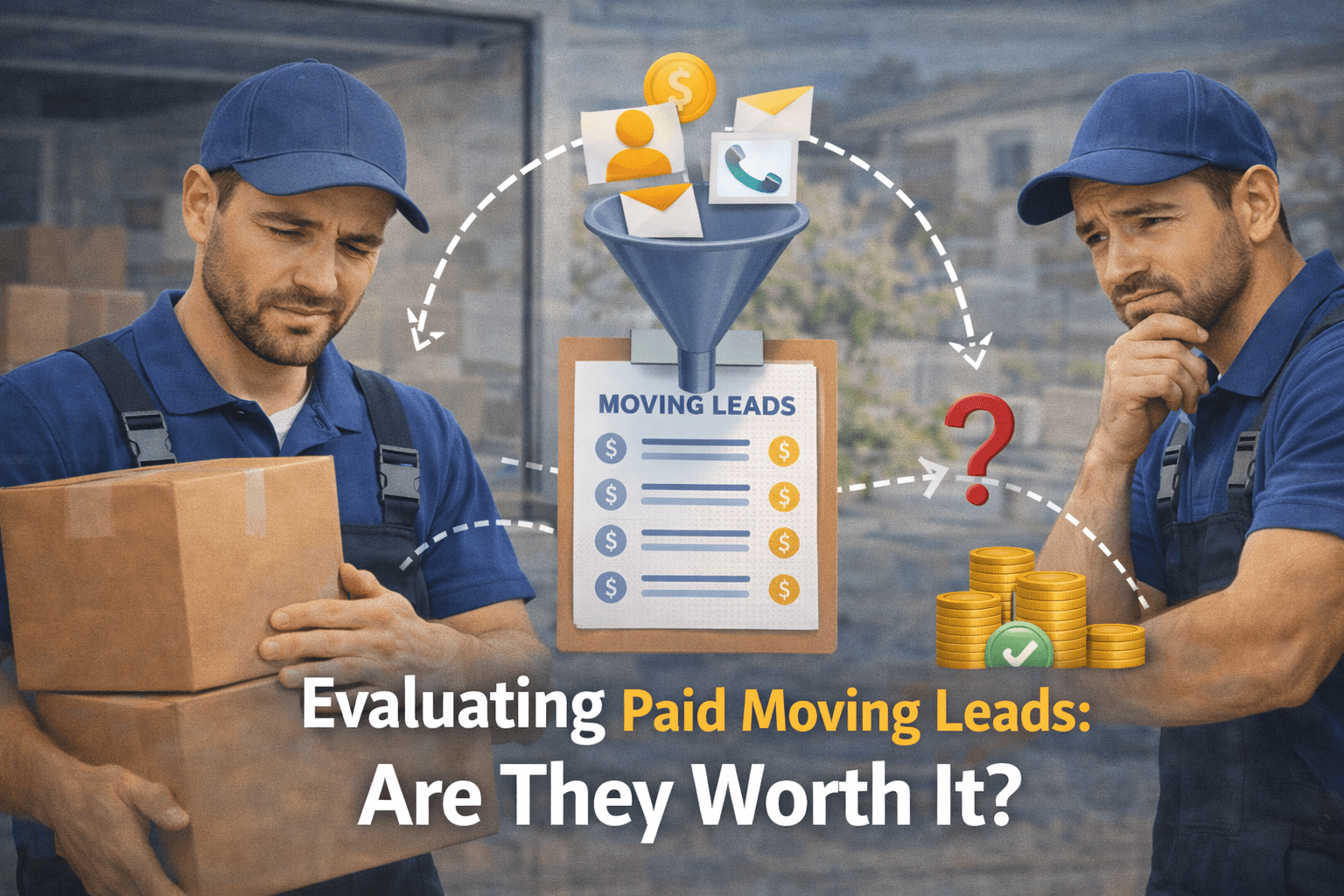
Paid Moving Leads: Are They Worth It?
Every moving company needs a steady flow of leads to stay competitive. But one of the most common questions movers ask is whether it’s better to buy moving leads or invest in generating them organically. Many companies spend thousands on paid leads, only to feel frustrated by low conversion rates and shrinking profit margins.
So, are paid moving leads worth it, or are there better ways to grow your business? The answer isn’t black and white. Paid leads can serve a purpose in certain situations, but they also come with real risks. Understanding how paid leads work, their true cost, and the alternatives available will help you decide what’s right for your moving company.
What Are Paid Moving Leads and How Do They Work?
Paid moving leads are customer inquiries collected by third-party platforms and sold to moving companies. These leads are typically generated through Google Ads, online quote forms, comparison websites, or lead marketplaces.
Because these platforms target people actively searching for movers, paid leads are often seen as a fast way to generate inquiries. However, lead quality can vary widely depending on the provider, the lead type, and how many companies receive the same inquiry.
Common Types of Paid Moving Leads
- Exclusive leads
Exclusive moving leads as the name suggest, are sold to only one moving company. These leads cost more but generally convert better because there’s no competition. - Shared leads
Shared moving leads are sold to multiple movers at the same time. These are cheaper but create intense competition, often leading to price undercutting. - PPC-generated leads
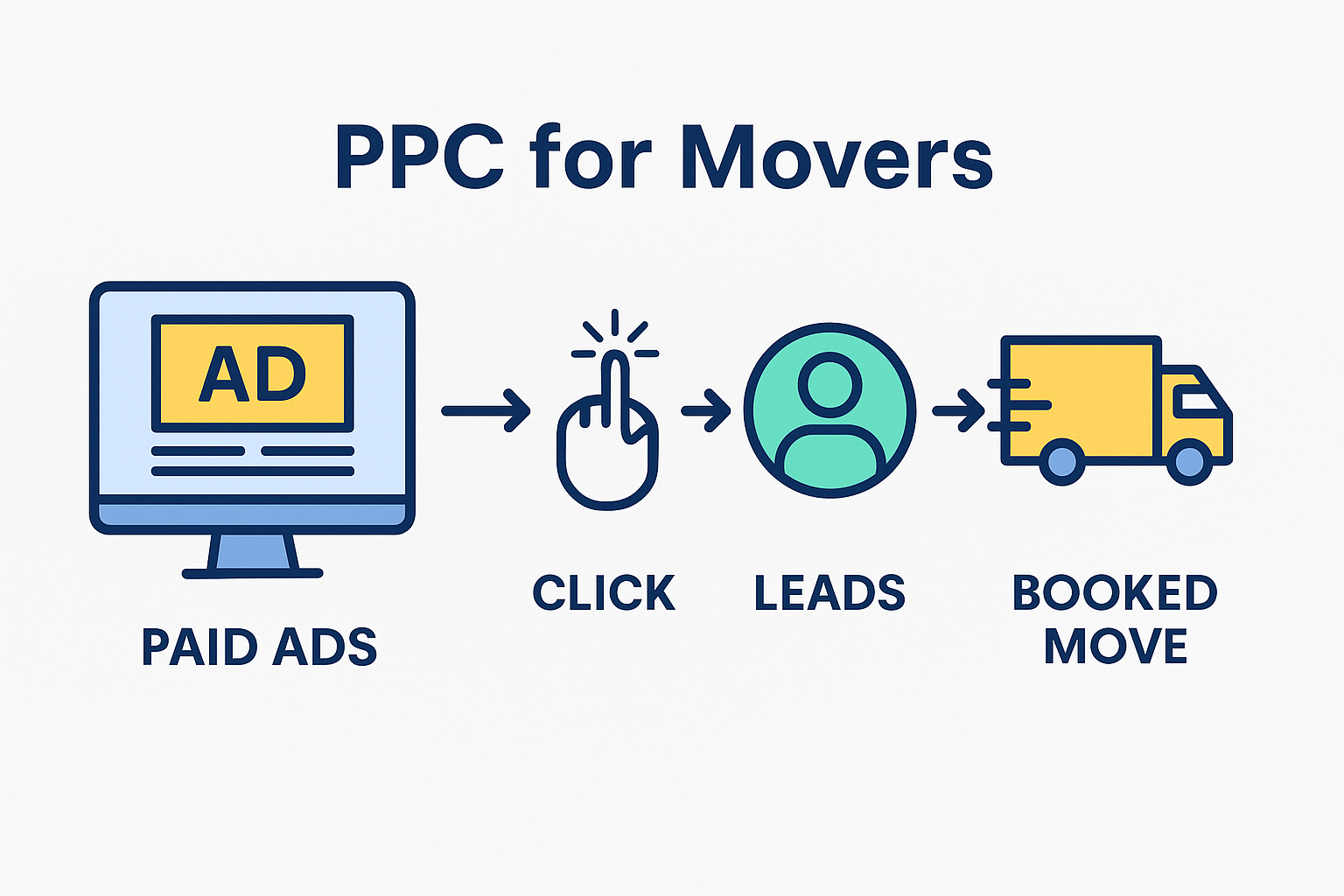
Leads generated through your own Google Ads or social media campaigns. These give you full control over targeting and budget but require proper management.
Understanding these differences is essential when deciding whether paid leads fit your business goals.
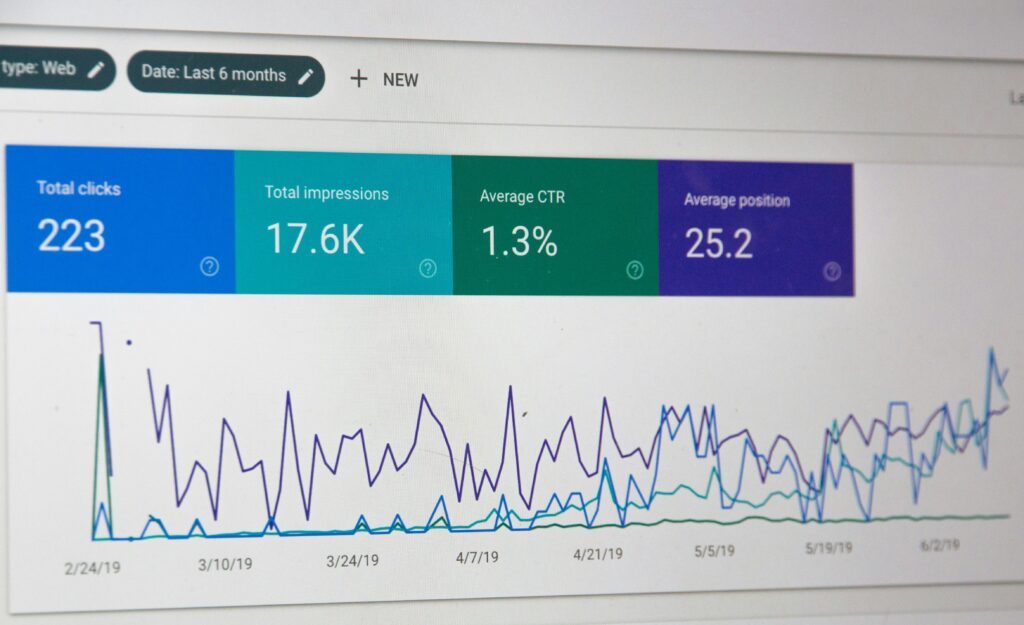
Popular Paid Moving Lead Providers
Many movers start with well-known lead platforms to generate quick inquiries. Common providers include:
- Angi (formerly Angie’s List)
- HomeAdvisor
- Thumbtack
- Moving.com
- Yelp Ads
- iMoving and other niche moving platforms
Knowing where your leads come from helps you evaluate their quality and determine whether a provider aligns with your strategy.
How Much Do Paid Moving Leads Cost?
One of the first questions movers ask is, “How much do moving leads cost?” Pricing varies based on location, competition, and lead type.
Shared leads often range from $10 to $50 per lead, while exclusive leads can cost $30 to $100 or more. PPC clicks in competitive markets often fall between $12 and $25 per click, sometimes higher during peak season.
Costs are influenced by:
- Market competition
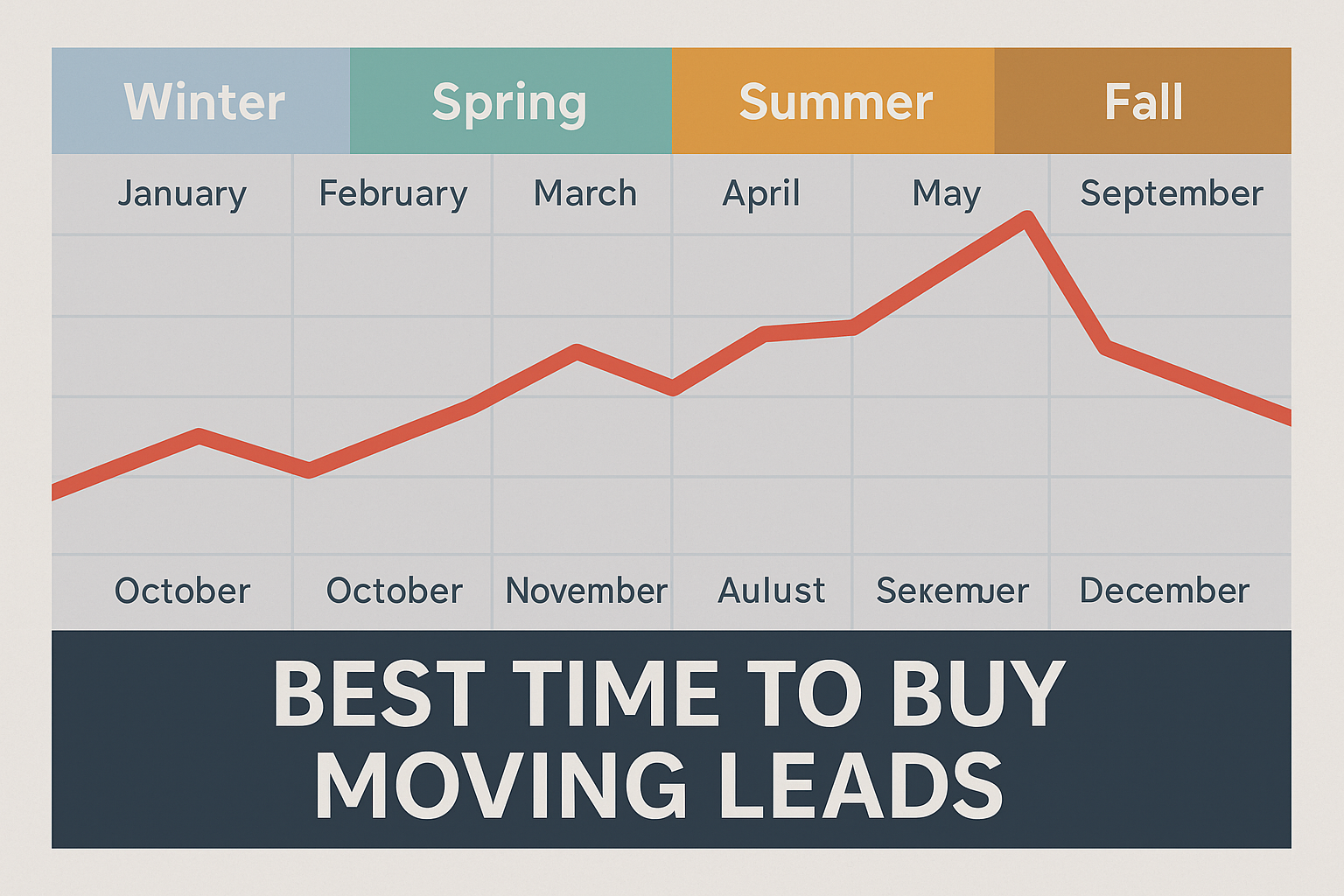
- Seasonality, especially summer demand
- Provider quality and targeting methods
While pricing transparency can help with budgeting, cost alone doesn’t determine value.
Pros of Buying Moving Leads
Paid leads can be beneficial in specific scenarios, especially when immediate results are needed.
Instant Lead Flow
Paid leads deliver inquiries right away. This is useful during slow periods or when you need to fill empty truck schedules quickly.
Low Marketing Effort
Lead providers handle advertising and demand generation, allowing movers to focus on operations instead of marketing.
Helpful for New Companies
Startups often use paid leads to secure early jobs and generate cash flow before organic marketing gains traction.
Predictable Costs
Knowing the cost per lead upfront makes it easier to plan short-term spending, even if the long-term value is uncertain.
Paid leads work best for movers needing short-term volume rather than long-term growth.

The Hidden Downsides of Paid Moving Leads
While paid leads seem convenient, they come with serious drawbacks that often surface over time.
High Competition With Shared Leads
Shared leads are sent to multiple movers at once. If you’re not the first to respond, you often lose the job. Many customers are price-shopping, leading to bidding wars that cut deeply into profits.
High Cost With Low ROI
If many leads don’t convert, your effective cost per booked move increases dramatically. Paying hundreds of dollars to acquire a single customer can quickly become unsustainable.
Inconsistent Lead Quality
Some paid leads are unresponsive, inaccurate, or fake. Sorting through low-quality inquiries wastes time and resources.
No Long-Term Value
Paid leads stop the moment you stop paying. There’s no brand growth, authority building, or lasting benefit.
Dependence on Third-Party Platforms
Relying on lead vendors means they control your lead flow, pricing, and policies. Any changes can disrupt your business overnight.
In essence, you’re renting leads instead of building your own customer pipeline.
When Lead Costs Kill Profitability
If a lead costs $50 and only one in ten converts, you’re spending $500 to book a single job. After accounting for labor, fuel, and equipment, profit margins shrink fast. In some cases, companies lose money even with steady bookings.
Improving website conversion rates becomes critical here. Faster load times, simple forms, and clear follow-up processes can help turn more leads into customers and reduce wasted spend.
The Risk of Overdependence on PPC
PPC campaigns can be effective, but costs fluctuate constantly. Increased competition, seasonal demand, and bidding wars drive up prices. If you pause ads, lead flow stops immediately.
Without organic support from SEO, referrals, and your Google Business Profile, PPC dependency makes growth unpredictable and expensive.
Organic Lead Generation: A Smarter Long-Term Strategy
Organic leads come directly to your business through SEO, your website, and referrals. These customers actively choose your company, which leads to higher trust and conversion rates.
Why Organic Leads Perform Better
- Higher booking rates
- Lower long-term cost per lead
- Stronger customer trust
- No competition for the same inquiry
- Full control over the lead process
- Lasting brand authority
Organic strategies build momentum over time, creating stability instead of constant spending.
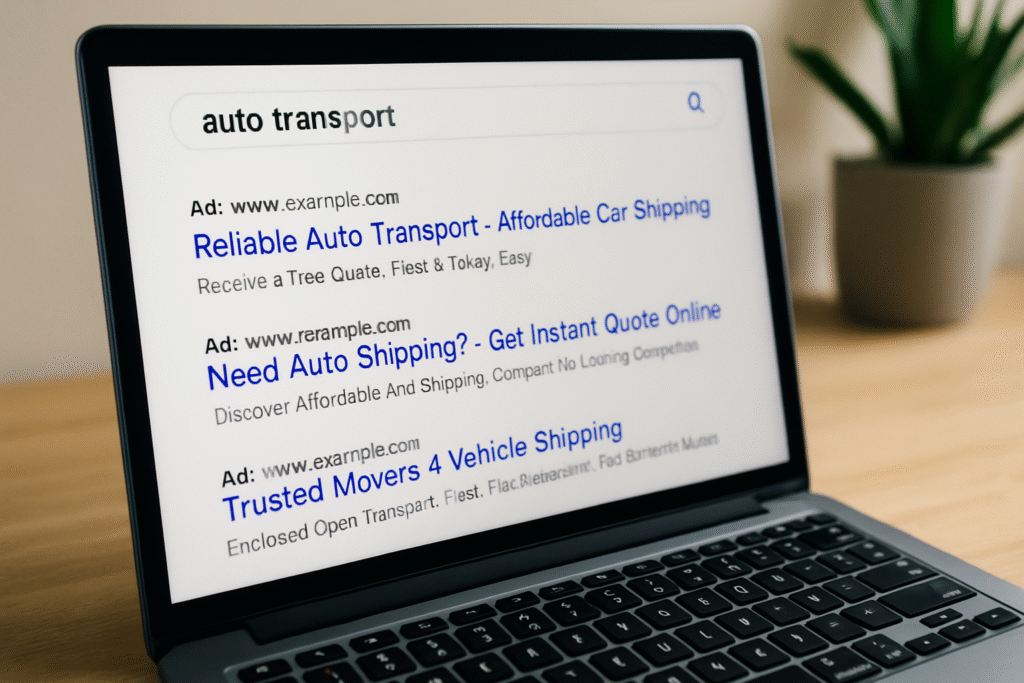
Best Organic Lead Generation Strategies for Movers
Google Business Profile Optimization
An optimized profile with accurate service areas, photos, and reviews drives local visibility and inquiries.
SEO for Moving Companies
Ranking for local, high-intent keywords ensures customers find you before competitors.
PPC for High-Intent Searches
Running your own targeted PPC campaigns gives you exclusive leads and better control over costs.
Website Optimization and Instant Quote Tools
Fast-loading sites with instant quote calculators convert visitors into leads more effectively.
Referral and Review Programs
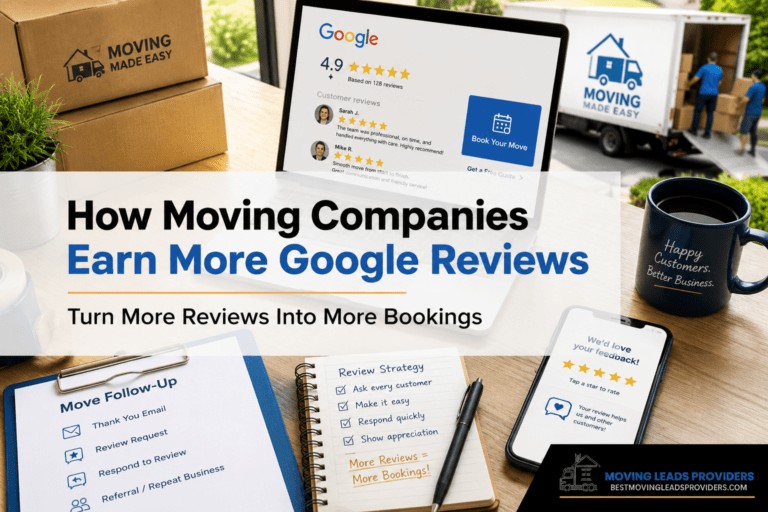
Positive reviews and referrals reduce acquisition costs and build trust faster than paid leads.
The Hybrid Approach: Paid + Organic Leads
For many movers, the best solution is a balanced strategy.
Paid leads can help fill short-term gaps or support expansion, while organic strategies build long-term stability. Over time, reliance on paid leads should decrease as organic channels grow stronger.
A smart hybrid plan allows movers to stay flexible without sacrificing profitability.

Final Verdict: Are Paid Moving Leads Worth It?
Paid moving leads can be useful in the short term, especially for new companies or during slow seasons. However, they are not a sustainable growth strategy on their own.
Organic lead generation offers better ROI, higher-quality customers, and long-term stability. The smartest approach is using paid leads selectively while investing in SEO, a strong website, and local visibility.
At Best Moving Leads Providers, we help movers build lead generation systems that work today without sacrificing tomorrow, so your trucks stay booked and your business keeps growing.