8 Proven Plays to Secure Long-Distance Moving Leads
Long-distance moves are not just bigger local jobs.
They operate on a completely different level.
Interstate customers research more, compare longer, and expect proof before they commit. The sales cycle is slower, the questions are deeper, and the stakes are higher. But when done right, long-distance moves can become the most profitable part of your operation.
Higher margins. Larger average tickets. More consistent demand, even in slower seasons.
At Best Moving Leads Providers, we’ve analyzed what top-performing movers do differently to consistently win interstate jobs. The result is a set of eight proven plays you can run by route, measure by ROI, and scale with confidence.
You do not need to run all eight. Pick three to five that fit your operation, deploy them on your strongest routes, and double down on what performs.
How to Get More Long-Distance Moving Leads
- Treat every route (origin → destination) as its own market
- Build city-to-city SEO pages that match real buyer intent
- Run Google Ads and Meta ads by route, not broadly
- Build referral engines with realtors, relocation pros, and partners
- Use reviews, videos, and testimonials tied to specific routes
- Reduce price anxiety with calculators and downloadable guides
Long-distance success comes from precision, not volume.
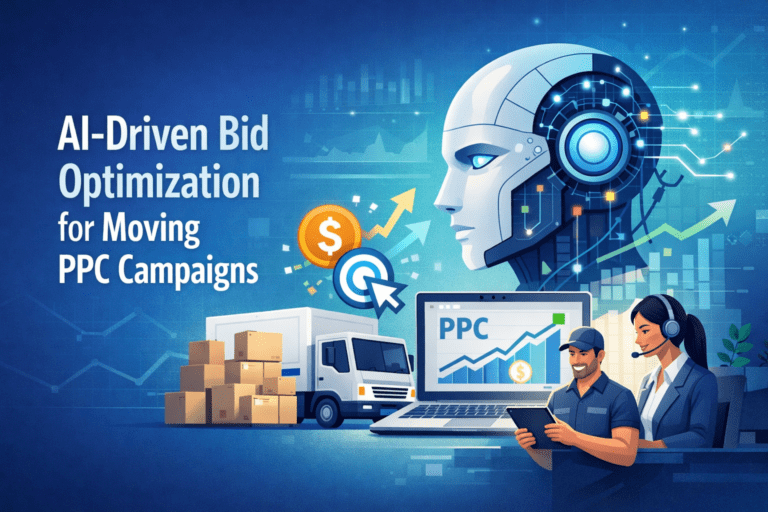
1. Run Google Ads by Route (Not Broad Keywords)
One of the biggest mistakes movers make is running generic interstate keywords like “long distance movers” and hoping for the best. That burns budget fast and attracts low-intent clicks.
High-performing movers treat each route as its own sales territory.
Instead of bidding broadly, they build campaigns around real buyer intent such as “Los Angeles to Phoenix movers” or “New York to Miami moving company.”
How to Do It Right
Start with your most profitable routes. These are typically lanes you already run efficiently or cities with steady demand.
Build Google ads campaigns using intent-heavy keywords such as:
- Moving from [city] to [city]
- Interstate movers near me
- State-to-state moving services
Each route should have:
- Its own ad group
- Its own landing page
- Its own conversion tracking
Negative keywords are critical. Block searches like “free,” “U-Haul,” “DIY,” or “pods” so your budget stays focused on serious buyers.
When route-based Google Ads are structured correctly, cost per booked job drops while close rates increase.
2. Rank for City-to-City SEO Searches
Roughly 70% of moving purchase journeys begin on Google. If you are not visible for both the origin and destination, you are leaving money on the table.
City-to-city SEO pages outperform generic service pages because they match how people actually search.
How to Build SEO Pages That Rank and Convert
Create dedicated content hubs such as:
- “Moving from Denver to Dallas”
- “Chicago to Austin Long-Distance Movers”
Each page should include:
- Route-specific timelines and planning tips
- Pricing factors unique to that lane
- Access challenges, parking rules, or permits
- Valuation and protection options
Trust elements matter here. Use real photos, licensing badges, reviews mentioning the route, and internal links to related routes.
Over time, these pages build topical authority and drive high-intent organic leads that convert better than generic traffic.

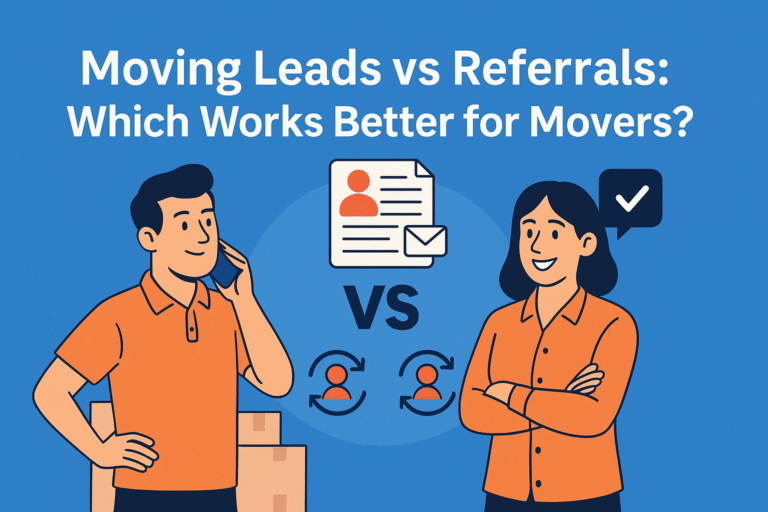
3. Build Referral Engines That Feed Interstate Jobs
Top moving companies generate 40% or more of their revenue from referrals. Long-distance moves are no exception.
Realtors, relocation consultants, property managers, and corporate housing providers all influence interstate decisions before customers ever call a mover.
How to Build a Referral System That Scales
Focus on partners who touch long-distance moves early:
- Real estate agents handling out-of-state buyers
- Relocation consultants
- Van lines and logistics partners
Make referrals easy:
- Simple mobile forms or QR codes
- Dedicated referral landing pages
- Clear incentives or flat referral fees
Track everything. High-performing movers report back to partners monthly, reward top referrers, and treat referral sources like VIP accounts.
4. Buy Long-Distance Leads—but With Guardrails
Third-party long-distance leads can work, but only when used strategically.
The problem is not buying leads. The problem is depending on them.
How to Use Paid Leads Without Losing Control
Test providers route by route, not all at once. Some lanes convert far better than others.
To protect margins:
- Respond within 5–10 minutes
- Qualify fast (inventory, access, dates, valuation, budget)
- Require deposits to lock in capacity
Shared leads usually convert worse than exclusive leads, especially for interstate moves. Track cost per booked job, not just cost per lead.
Always build your own lead engine alongside paid sources so you are never trapped by rising prices.
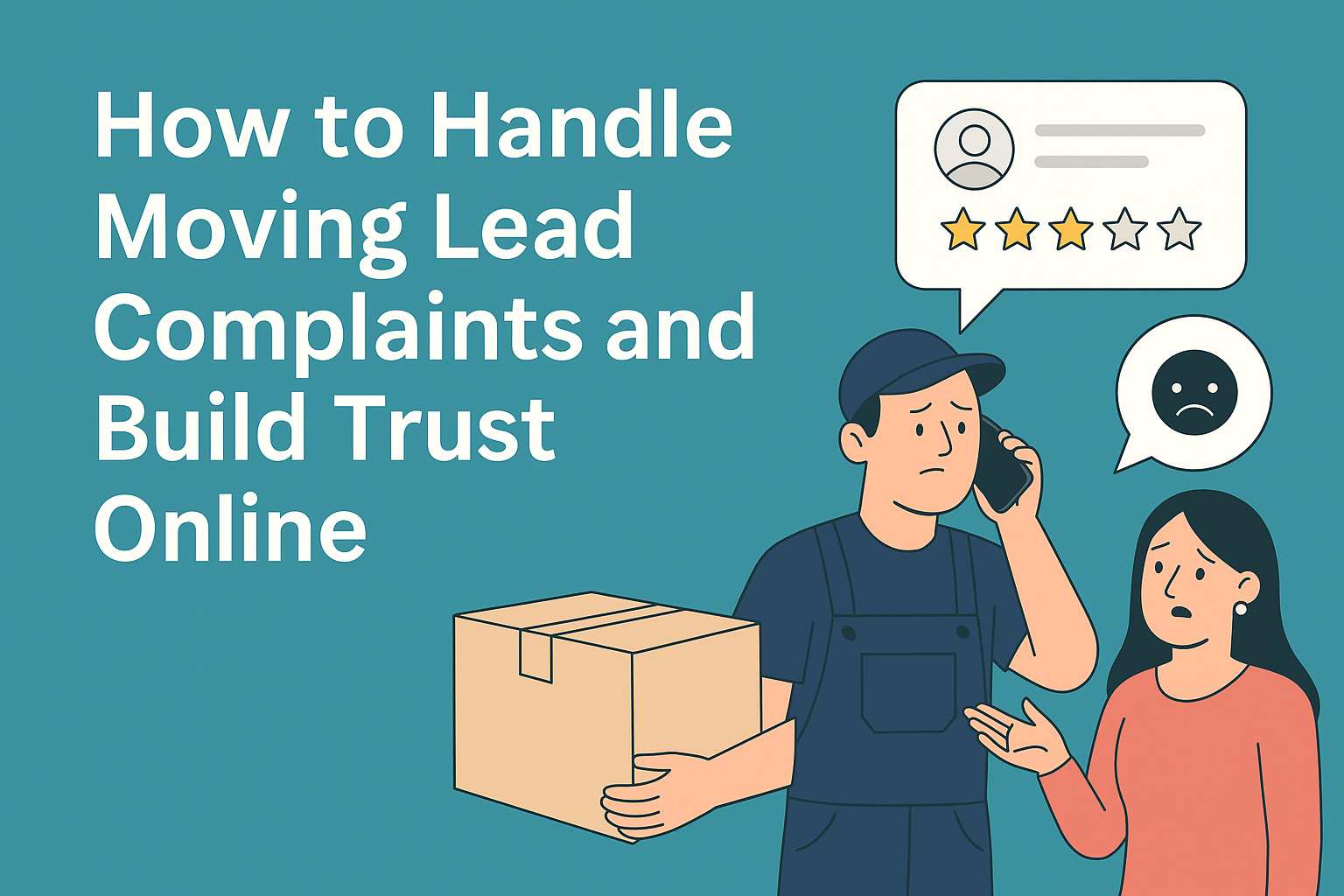
5. Build Review Volume and Route-Specific Trust
Almost every mover has good ratings. What actually wins interstate customers is volume, recency, and relevance.
People want to see proof that you can handle moves like theirs.
How to Win With Reviews
Automate review requests immediately after delivery. Aim for one to two new reviews per week.
Encourage customers to mention:
- Cities moved between
- Crew experience
- Delivery outcomes
Add photos whenever possible. Listings with images get significantly higher click-through rates.
Embed reviews directly onto route-specific landing pages to reinforce trust where it matters most.

6. Kill Price Anxiety With Calculators and Lead Magnets
Long-distance customers want clarity before they commit to a call. If they feel blind, they hesitate.
Smart movers reduce friction by educating early.
How to Reduce Drop-Off and Capture More Leads
Launch a move cost calculator that provides realistic ranges, not fake low prices.
Offer downloadable resources such as:
- City-to-city moving guides
- Out-of-state checklists
- Timeline planners
After download, route leads into virtual surveys or consultation calls. Short nurture sequences explaining pricing factors and valuation options build trust and close rates.
Keep forms short. Fewer fields mean more leads—and more opportunities to sell.
7. Target Routes on Facebook and Instagram Ads
Meta knows who is moving. Job changes, recent listings, engagements, and relocations all create targeting signals.
The mistake is running generic ads. Learn to setup effective Facebook Ads to leverage the platform’s huge user base.
How to Use Meta Ads for Interstate Leads
Build ad sets by city pair, such as “Atlanta → Tampa.”
Target based on:
- Recent job changes
- Relocation interests
- Home listings and life events
Run instant lead forms asking for phone, email, and move month. Track results using UTMs and your CRM so you know which routes actually produce profit.
Start lean. Small daily budgets tested per route outperform broad campaigns.
8. Win Interstate Jobs With Video Proof
Long-distance customers want evidence that you can execute, not just promises.
Video closes that gap faster than any other format.
How to Use Video the Right Way
Shoot real jobs on real routes:
- Packing and protection
- Load-in and delivery
- Crew introductions
- Customer testimonials
From one move, create:
- A 90-second overview video
- Short clips for ads
- A customer story
- A crew spotlight
Use videos across landing pages, ads, email follow-ups, and YouTube. Add route-specific CTAs like “Get your quote from New York to Miami.”
Long-Distance Is a Different Game
Interstate success requires systems, not guesswork.
Top movers focus on:
- Speed to lead under 10 minutes
- Trained coordinators for interstate compliance
- Route-level ROI tracking
- Clear cost-control systems
- Reviews that match actual routes
The strongest operators aim for 50%+ gross profit per long-distance job, even at scale.
Final Takeaway
Long-distance moving leads do not come from doing “more marketing.” They come from doing smarter, route-specific marketing.
Treat each lane like its own market. Track results by route. Scale what works. Cut what does not.
That is how top movers build predictable, high-margin interstate revenue.
If you want help identifying your strongest routes or building a long-distance lead system that actually converts, Best Moving Leads Providers is here to help.