
How to Launch Your First Google Ads Campaign as a Moving Company
The way people search for movers has changed dramatically. Today, most customers don’t ask friends or flip through directories, they open Google and search for help the moment they need it. That shift makes Google Ads one of the fastest and most reliable ways for moving companies to generate leads. If you’re ready to attract customers right when they’re actively looking, it’s time to launch your first Google Ads campaign.
This guide breaks down the process step by step, specifically for movers. Whether you’re running a small local operation or expanding into long-distance moves, understanding how Google Ads works, and how to use it correctly, can help you generate consistent, high-intent leads without wasting budget. At Best Moving Leads Providers, we see Google Ads as one of the most effective tools for movers who want immediate visibility and measurable results.

Decoding Google Ads: A Blueprint for Movers
Google Ads is a paid advertising platform that places your business at the top of Google search results when users search for specific keywords. For moving companies, this means showing up when someone types queries like “local movers near me” or “long distance moving company.”
Think of Google Ads like a well-organized move. Everything has a structure, and understanding that structure is essential before you spend a single dollar.
At the top is your Google Ads account, which represents your moving company as a whole. Inside the account, you create campaigns, each designed for a specific service such as local moves, long-distance moves, packing services, or storage. Within each campaign are ad groups, which focus on tightly related keywords and messaging. Finally, you have the ads themselves, which are what potential customers actually see when searching.
For movers, this structure matters because it allows you to separate services, control budgets, and tailor messaging based on intent. Someone searching for interstate movers needs different information than someone searching for a small local move. Google Ads lets you speak to both audiences clearly and effectively.
Step One: Define Your Campaign Objectives
Before launching your first Google Ads campaign, you need to decide what success looks like. Every strong campaign starts with a clear objective. Without one, you risk spending money without knowing whether it’s actually working.
For moving companies, the most common objectives fall into three categories:
- Lead Generation
This objective focuses on collecting phone calls, form submissions, or quote requests. It’s ideal for movers who want a steady flow of inquiries they can follow up with directly.
- Brand Awareness
If your moving company is new or entering a new market, brand awareness campaigns help people recognize your name. While these campaigns may not convert immediately, they build familiarity and trust over time.
- Direct Sales and Bookings
These campaigns aim to drive immediate action, such as phone calls or booked estimates. They work well during peak moving seasons or when you’re running limited-time offers.
Choosing the right objective helps Google optimize your ads correctly and keeps your strategy focused from day one.

Step Two: Budgeting and Bidding – Your Financial GPS
Google Ads doesn’t require a massive budget to get started, but it does require smart planning. Your daily or monthly budget sets limits on how much you’re willing to spend, while bidding determines how competitive you’ll be for specific keywords.
For movers launching their first campaign, it’s best to start conservatively. Focus on high-intent keywords rather than trying to cover everything at once. Keywords like “moving company near me” or “licensed movers in [city]” tend to convert better than broad, generic terms.
Budget-friendly Google Ads strategies for movers often include limiting ads to core service areas, running campaigns during business hours, prioritizing phone call conversions, and using negative keywords to block irrelevant searches.
By controlling where and how your ads appear, you ensure your budget supports real opportunities rather than wasted clicks. This approach aligns with how Best Moving Leads Providers helps movers focus on quality leads, not just traffic.
Step Three: Crafting Ad Copy That Converts
Your ad copy is your first impression. In just a few lines, you need to convince someone to choose your moving company over competitors. The best-performing ads speak directly to customer pain points and offer reassurance.
Strong moving ads often highlight professionalism, licensing, transparent pricing, stress-free service, and strong reviews. Customers searching for movers want reliability, speed, and trust. Avoid vague slogans and focus on what makes your company a safe and logical choice.
Using negative keywords is also critical. Excluding terms like “jobs,” “DIY,” or “free” ensures your ads reach people who are actually looking to hire movers, not just browsing.
Step Four: Using Ad Extensions to Stand Out
Ad extensions allow you to add extra information to your ads, making them more visible and useful. For moving companies, extensions can significantly improve click-through rates without increasing cost.
Useful extensions for movers include service links to packing or storage, call extensions for direct phone inquiries, location extensions to reinforce local relevance, and callouts such as “Licensed & Insured” or “Free Estimates.”
These additions make your ads stronger and help potential customers make quicker decisions.

Step Five: Targeting the Right Audience at the Right Time
Targeting is where many new campaigns succeed or fail. Moving companies must be precise about who sees their ads.
Geographic targeting is especially important. If you only serve specific cities or regions, your ads should reflect that. There’s no benefit to paying for clicks outside your service area.
Ad scheduling also matters. Many movers see better results when ads run during business hours, when staff are available to answer calls immediately. Quick response times dramatically increase booking rates.
The goal is simple: show your ads to the right people, in the right place, at the right time.
Step Six: Tracking What Matters
Launching your first Google Ads campaign is only the beginning. Monitoring performance is what turns advertising into a profitable system.
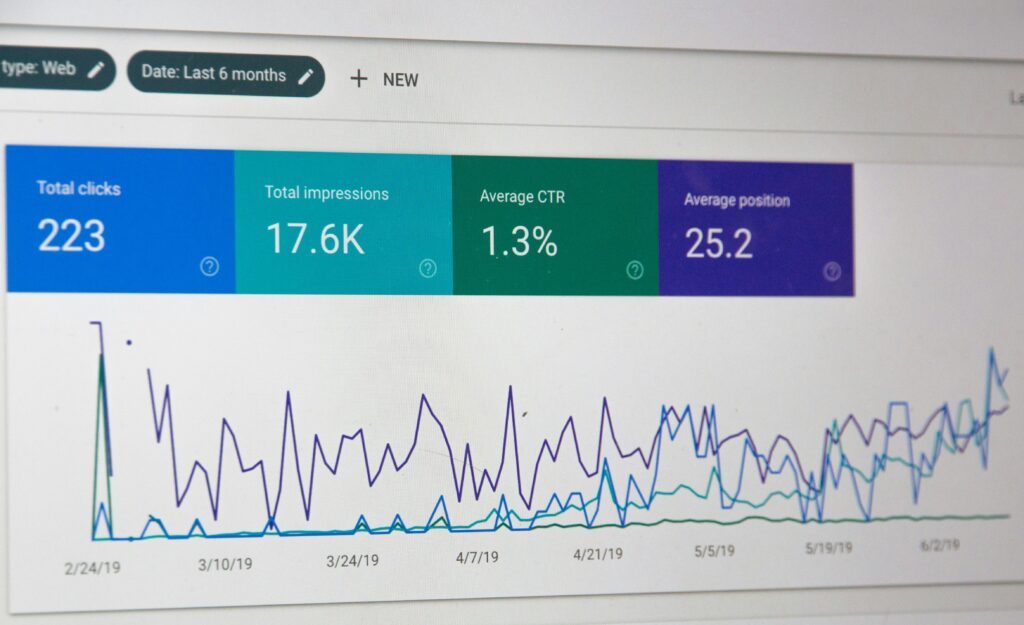
Key metrics movers should track include click-through rate, cost per click, conversion rate, cost per lead, and return on ad spend. These metrics reveal whether your ads attract interest, generate leads, and justify your budget.
Staying updated with Google Ads changes is equally important. New features and automation tools are introduced regularly, and understanding them helps you stay competitive and efficient.
Build a Strong Digital Lead System for Your Moving Company
Launching your first Google Ads campaign can feel overwhelming, but when approached strategically, it becomes one of the most powerful lead generation tools available to movers. Google Ads allows you to reach customers at the exact moment they need moving services, making it ideal for generating high-intent leads.
Start with clear goals, manage your budget carefully, write honest and compelling ads, and track results consistently. Google Ads is not a one-time setup, it’s an evolving strategy that improves with data and refinement.
As the digital landscape continues to change, movers who adapt quickly gain an advantage. If you need guidance, optimization support, or a lead-focused strategy built specifically for the moving industry, Best Moving Leads Providers helps movers turn Google Ads into a predictable and scalable source of quality moving leads.
Your first campaign is just the beginning—but done right, it can become one of your strongest growth channels.