
Moving Company SOPs That Your Team Will Actually Follow (and That Actually Improve Profit)
Running a moving company is about far more than moving furniture from point A to point B. At some stage, every successful mover realizes they are no longer just operating trucks and crews—they are building a business. And the biggest difference between a moving business that grows smoothly and one that burns out the owner is systems.
If your company still depends on you to answer every question, fix every mistake, and make every decision, growth becomes exhausting. This is exactly where standard operating procedures (SOPs) come in—not as paperwork, but as a foundation for freedom, consistency, and profit.
At Best Moving Leads Providers, we see a clear pattern: the most profitable moving companies are not necessarily the biggest or busiest. They are the ones with clear, practical SOPs their teams actually follow.

Why Most Moving Company SOPs End Up Ignored
Most movers do not fail because they lack effort or skill. They struggle because critical knowledge lives only in the owner’s head. When that happens, every small issue turns into an interruption, and scaling becomes impossible.
Unfortunately, many SOPs fail before they even have a chance to help.
Common mistakes include downloading generic templates that do not match real-world operations, writing SOPs like instruction manuals instead of quick-action guides, or rolling out processes without ever training the crew on how to use them. Even worse, some owners expect their teams to magically follow steps they have never practiced.
The reality is simple: your crew is not reading a 50-page manual between jobs, and your office staff will ignore processes that slow them down instead of helping them work faster.
Studies consistently show that employees spend over 25% of their time just searching for the information they need. That lost time directly impacts margins, customer experience, and team morale.
Start With the SOPs That Actually Affect Profit
Not every process needs to be documented on day one. The smartest operators start with SOPs that directly impact revenue, efficiency, and customer satisfaction.
Lead Response and Booking SOPs
This is where money is either made or lost. Clear SOPs ensure leads are responded to quickly, quotes are structured for profit rather than desperation, and follow-ups are consistent. When your team knows exactly how to handle price shoppers, objections, and timing questions, close rates increase without lowering prices.
Pre-Move Coordination SOPs
Poor preparation creates overtime, mistakes, and unhappy customers. SOPs here focus on crew assignments, equipment checks, and proactive customer communication. When expectations are set clearly before move day, surprises disappear and efficiency improves.
Move Day Execution SOPs
Move day is where your brand reputation is built or destroyed. SOPs should cover walkthroughs, documentation of pre-existing damage, loading sequences, and real-time quality checks. These systems reduce claims, protect equipment, and create a consistent experience regardless of which crew is assigned.
Post-Move Follow-Up SOPs
The job is not finished when the truck is unloaded. Post-move SOPs ensure faster payments, consistent review requests, referral generation, and upsells to storage or additional services. This is where long-term value is created from a single job.

A Simple Move Day SOP Example Your Team Can Follow
Below is a practical, plug-and-play move day SOP that crews can actually use without slowing down.
Job Details
Customer Name: ____________
Move Date: _______________
Service Type: ____________
Truck #: ________________
Crew Lead: ______________
Pre-Move Checklist
- Review job details in the dispatch system
- Inspect truck for fuel, cleanliness, and equipment
- Confirm required supplies are loaded (dollies, blankets, stretch wrap, tools)
- Conduct a brief team safety discussion
Customer Introduction
- Arrive in uniform with visible name tags
- Introduce all crew members
- Review scope of work with the customer
- Complete a walkthrough and document pre-existing damage
- Identify high-value or fragile items
Loading Sequence
- Load truck from back to front
- Secure heavy items first, including appliances and large furniture
- Stack boxes evenly and fill gaps with soft items
- Strap and secure all sections to prevent shifting
Quality Control
- Perform final walkthrough with customer
- Confirm all rooms are empty
- Complete inventory checklist
- Collect payment and obtain customer signature
- Take before-and-after photos
Post-Move Tasks
- Clean truck and return equipment
- Submit paperwork digitally
- Report any incidents immediately
- Request a customer review
Simple, clear, and actionable—exactly how SOPs should be.
How to Create SOPs Your Team Will Actually Use
Keep Everything Simple and Accessible
Your team is dealing with stairs, tight hallways, and time pressure. They need SOPs that are fast to reference, not buried in PDFs. One-page checklists, short videos, and mobile-friendly documents work far better than long written explanations.
Build SOPs From Reality, Not Theory
The best SOPs already exist in your business. They live in the habits of your best crews and top coordinators. Observe your most profitable jobs, document what works, and turn that into a repeatable process. If your SOP does not match real-world conditions, it will never be followed.
Roll Out Gradually and Improve Continuously
Do not overwhelm your team by launching everything at once. Introduce one SOP at a time, test it, gather feedback, and refine it. Ask what is confusing or unnecessary and adjust quickly. SOPs should evolve alongside your operation.
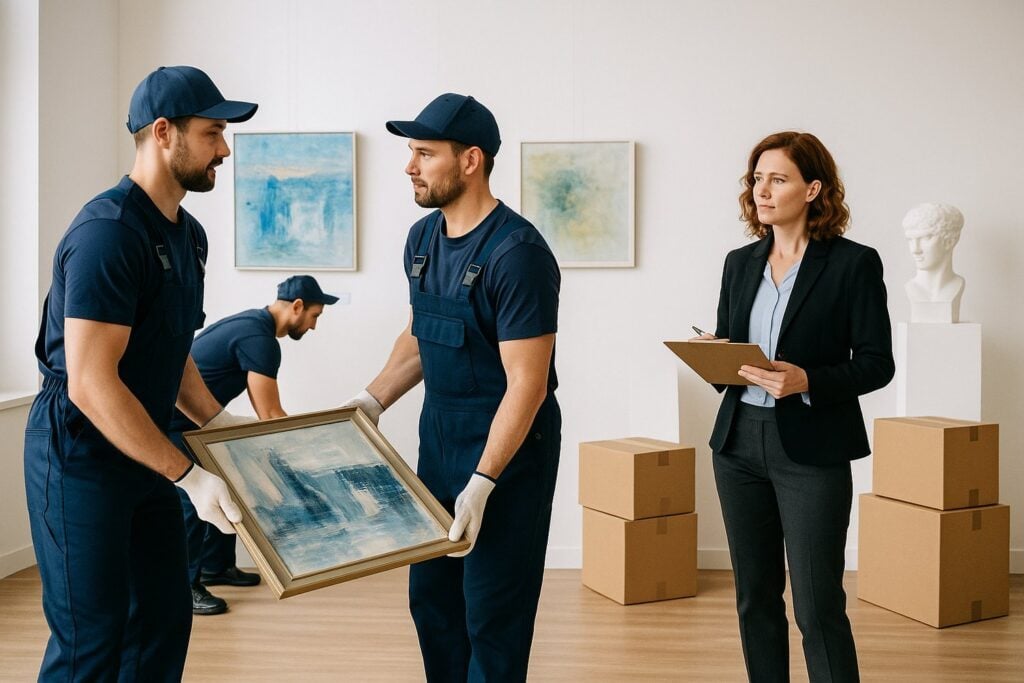
How Top Movers Make SOPs Stick
The best operators treat SOPs as part of company culture, not paperwork.
They train in small chunks so teams master one process at a time. They use real photos and videos from actual jobs instead of generic stock images. Compliance is tracked, and teams who consistently follow systems are recognized and rewarded. SOPs are reviewed quarterly to reflect customer feedback, operational changes, and growth.
When SOPs are practical and respected, teams stop seeing them as rules and start seeing them as tools.
SOPs Are Not About Control—They Are About Freedom
Well-built SOPs do not limit your business. They unlock it.
They allow you to scale without losing quality, delegate without losing control, and grow without burning yourself out. They reduce errors, protect margins, and create consistency that customers notice.
The most successful movers we work with at Best Moving Leads Providers are not guessing their way through growth. Their teams follow proven systems, and the results show up clearly in their margins, reviews, and calendars.
If you want a moving company that runs smoothly, even when you step away, start with SOPs your team will actually follow.