Using AI to Evaluate Lead Intent Signals & Prioritize Follow-Up
Not every moving lead deserves the same level of attention. Some prospects are ready to book a move within days. Others are casually researching costs, comparing options, or filling out forms without a clear timeline. If your sales team treats every lead the same way, serious opportunities may get buried under low-intent inquiries.
This is where AI can make a major difference.
Artificial intelligence and predictive analytics can help moving companies evaluate lead intent signals, rank prospects by urgency, and guide sales teams toward the leads most likely to convert. Instead of relying only on guesswork or manual review, AI can analyze behavior, form details, communication patterns, and historical conversion data to identify which leads should receive immediate follow-up.
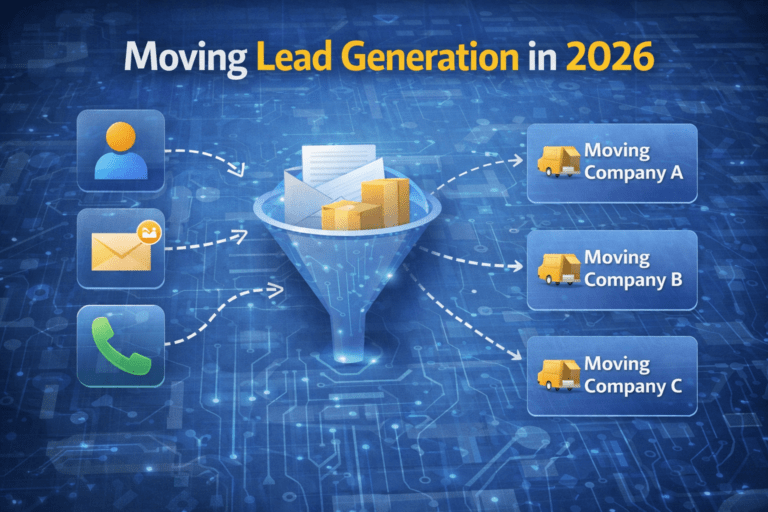
For moving companies that handle local moving leads, long-distance moving leads, commercial moving inquiries, auto transport leads, and live transfer leads, this kind of prioritization can improve response speed, reduce wasted effort, and increase booking rates.
Why Lead Intent Matters in the Moving Industry
Moving leads are time-sensitive. A customer planning a move next week is very different from someone researching general moving costs for later in the year. A commercial relocation inquiry with multiple offices has different value than a small local move with no confirmed date. A prospect who answers a call immediately may be more serious than someone who never responds after submitting a form.
When your team understands intent, follow-up becomes smarter.
High-intent leads need fast calls, personal attention, and clear next steps. Medium-intent leads may need nurturing through texts and emails. Low-intent leads may still be valuable, but they should not distract your team from prospects who are closer to booking.
Without intent scoring, sales teams often work leads in the order they arrive. That can create missed opportunities. A strong lead may wait too long while the team chases cold inquiries. AI helps reduce this problem by highlighting the prospects most likely to convert first.

What Are Lead Intent Signals?
Lead intent signals are clues that show how serious a prospect may be. Some signals come from the information the customer provides. Others come from behavior, timing, engagement, or communication history.
For moving companies, common intent signals include move date, origin and destination, service type, home size, requested add-ons, contact method, website activity, and response behavior.
A lead who enters a specific move date, provides both pickup and delivery locations, asks for packing services, and requests a phone call is likely showing stronger intent than someone who only enters an email address and asks for a rough estimate.
AI can evaluate these signals together instead of looking at one detail in isolation. That is important because one signal alone may not tell the full story. A move date may be urgent, but the phone number may be invalid. A commercial lead may be high-value, but the timeline may be uncertain. A long-distance lead may look promising, but the prospect may not respond to calls.
AI helps weigh these details more intelligently.
How AI Scores Moving Leads
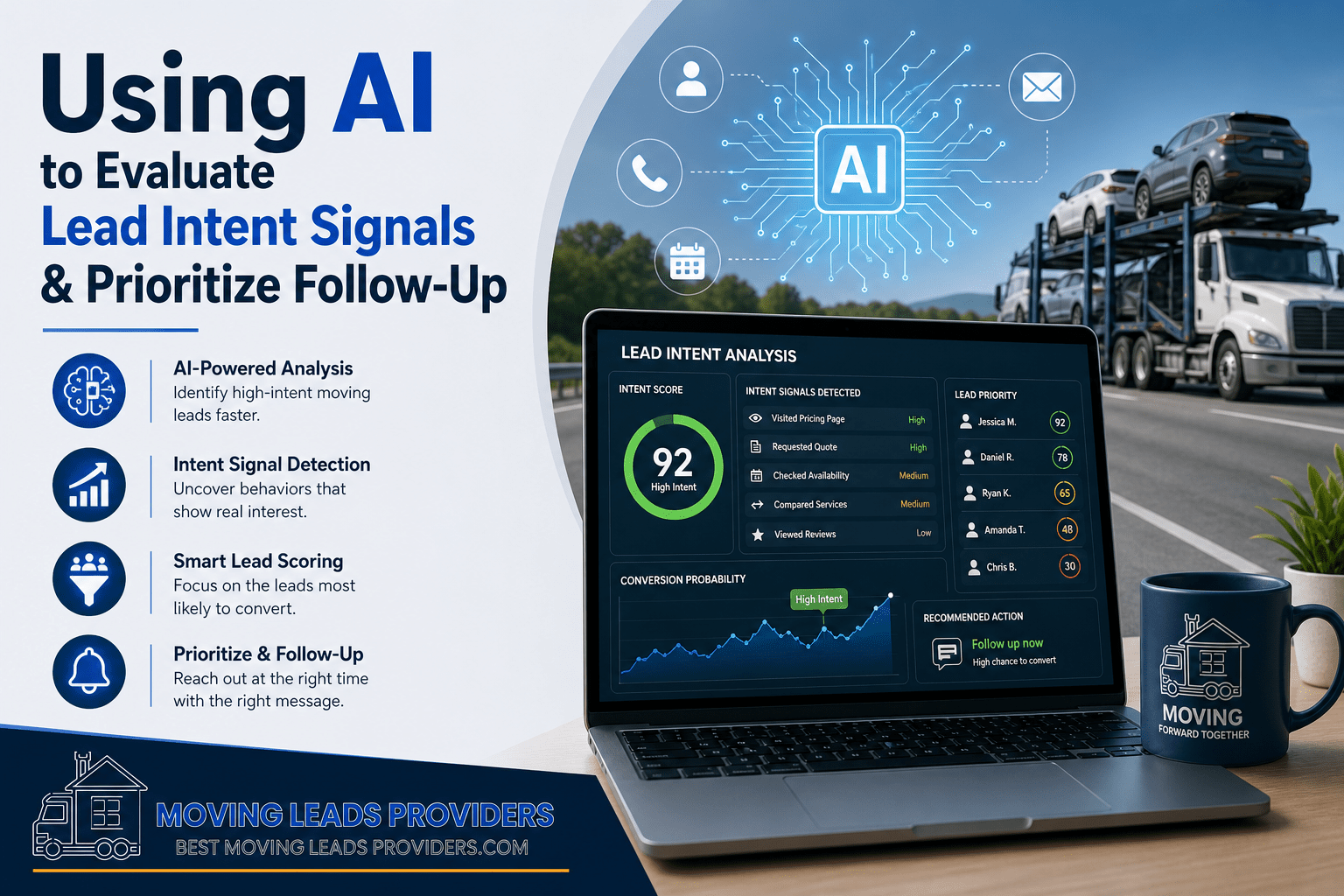
AI lead scoring uses data to estimate how likely a lead is to convert. It can review current lead details and compare them with past leads that became booked jobs. Over time, the system learns which patterns usually indicate stronger intent.
For example, your historical data may show that leads with a move date within 30 days, a valid phone number, a complete destination address, and a call request convert at a higher rate. It may also show that certain routes, service types, or lead sources produce better bookings.
AI can turn these patterns into a score or priority level. Your team may see leads labeled as hot, warm, or low priority. More advanced systems may assign numerical scores or trigger different workflows automatically.
A high-intent lead may be routed to a sales rep immediately. A medium-intent lead may enter a nurture sequence. A low-intent lead may receive automated educational emails until they show stronger engagement.
The goal is not to replace your sales team. The goal is to help them focus their energy where it can produce the best results.
Predictive Analytics for Better Follow-Up Timing
Timing is one of the biggest factors in lead conversion. AI can help determine not only which leads to contact, but also when and how to contact them.
For example, if a prospect submitted a quote request at night, AI can trigger an instant text confirmation and schedule a call for the next morning. If a prospect opened a follow-up email twice but did not answer the phone, the system may suggest sending a text instead of making another call. If a lead has a move date approaching soon, the system may increase urgency and notify the sales team.
Predictive analytics can also help identify leads that are becoming more active. A prospect who originally seemed uncertain may return to your website, reopen an email, click a pricing page, or respond to a text. These actions can increase the lead score and prompt a new follow-up attempt.
This allows your team to respond based on real behavior rather than fixed assumptions.

Using AI to Prioritize Different Types of Moving Leads
Different moving leads require different priorities. AI can help sort them more accurately based on business value and urgency.
For local moving leads, AI may look closely at move date, distance, home size, and service area. For long-distance moving leads, it may weigh origin, destination, route demand, moving timeframe, and inventory size. For commercial moving leads, it may consider company size, number of locations, decision-maker details, and project complexity. For auto transport leads, it may evaluate vehicle type, pickup timeline, route, and transport preference.
This matters because a high-value lead can sometimes require a different follow-up process than a simple residential move. Commercial prospects may need a consultative call. Long-distance prospects may need more reassurance. Auto transport prospects may need quick route and availability confirmation. AI helps route each lead into the right workflow instead of treating every inquiry the same way.
Reducing Wasted Sales Effort
One of the biggest benefits of AI lead intent analysis is reduced wasted effort. Sales teams often spend too much time chasing leads that are unlikely to convert, while better prospects do not receive enough attention.
AI can help identify signs of low intent, such as incomplete forms, vague timelines, invalid contact details, repeated non-responses, or behavior patterns that rarely lead to bookings. These leads do not have to be ignored, but they can be handled with lighter automation rather than immediate manual effort.
For example, a low-intent lead may receive a helpful email sequence explaining how to prepare for a move, how moving quotes work, and why booking early matters. If the prospect clicks, replies, or updates their move details, the system can raise the priority.
This allows your sales team to stay efficient without completely abandoning early-stage prospects.
Combining AI With Human Judgment
AI can identify patterns, but human sales judgment still matters. Moving is a personal service, and customers often need reassurance, explanation, and trust before they book.
A lead score should guide the team, not control every decision. A sales rep may notice something AI misses. For example, a prospect may have a low score because they provided limited details, but during a call they may reveal an urgent corporate relocation. Another lead may have a high score but become less promising after the rep discovers the customer is only comparing prices.
The best approach is to combine AI scoring with clear sales notes and CRM discipline. Reps should update lead status, call outcomes, objections, and booking results. This feedback helps the AI improve over time while keeping the sales process grounded in real conversations.

Building AI Lead Prioritization Into Your CRM
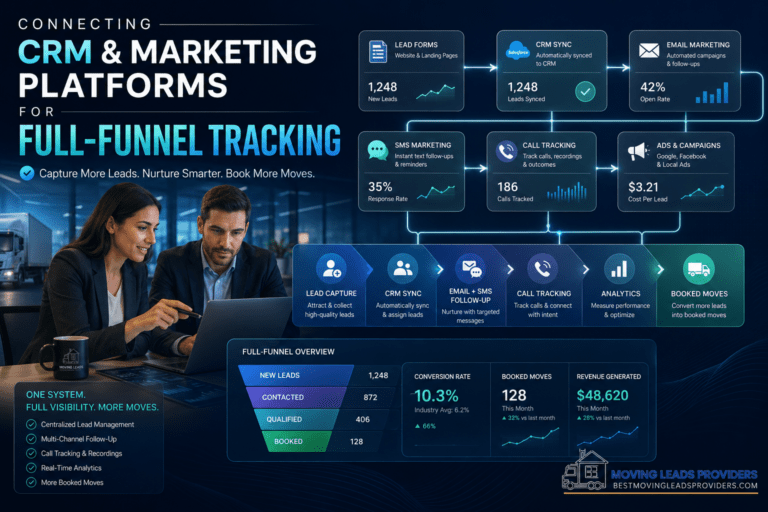
AI works best when connected to your CRM. Your CRM should collect all important lead data, including form submissions, chat transcripts, call logs, email engagement, text responses, lead source, and final outcome.
Once this data is organized, AI can help create automatic rules and recommendations. For example:
A lead with a move date within 14 days can be marked urgent.
A lead requesting a live call can be assigned immediately.
A lead who opens multiple emails can receive a follow-up text.
A lead from a high-converting source can receive priority routing.
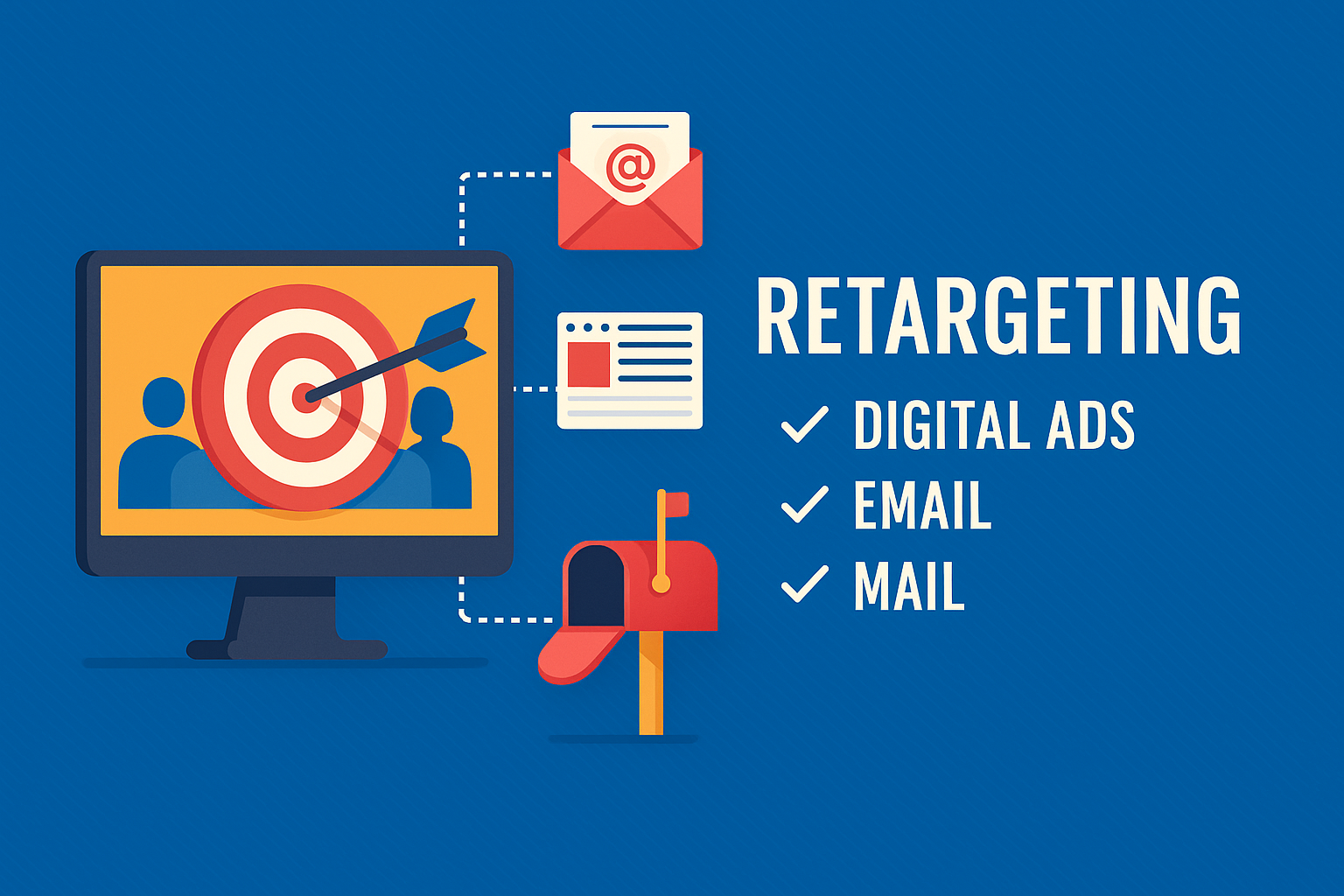
A lead that has gone silent can enter a re-engagement workflow.
This turns your CRM from a storage tool into an active sales assistant. Instead of simply holding lead information, it helps your team decide what to do next.
What to Track for Better AI Predictions
The quality of AI predictions depends on the quality of your data. If your team does not track outcomes properly, the system will have less information to learn from.
Moving companies should track details such as lead source, service type, move date, estimate value, contact attempts, response status, reason lost, booked job value, and follow-up timeline.
It is also useful to track which messages produce replies, which lead sources convert best, and which sales reps close certain types of leads most effectively. Over time, this data can reveal valuable patterns.
For example, you may discover that live transfer leads convert fastest when answered within minutes, while long-distance form leads need a stronger email nurture sequence. You may find that commercial moving leads perform better when routed to senior reps. These insights can improve both marketing and sales.
How Best Moving Leads Providers Helps Movers Focus on Better Opportunities
At Best Moving Leads Providers, we understand that generating leads is only part of the growth equation. Moving companies also need a strong process for sorting, prioritizing, and converting those leads into booked jobs.
Our moving lead solutions are designed to help movers connect with prospects who are actively looking for services, including local moving leads, long-distance moving leads, commercial moving leads, auto transport moving leads, international moving leads, and live transfer leads. When these leads are supported by smart follow-up systems and intent-based prioritization, your sales team can spend more time on serious prospects and less time chasing weak opportunities.
AI can make that process even stronger by helping your team recognize which leads need immediate attention, which ones need nurturing, and which ones should be re-engaged later.

Final Thoughts
AI is changing how moving companies manage lead follow-up. Instead of treating every inquiry the same, predictive analytics can help evaluate intent signals, identify serious prospects, and prioritize sales activity more effectively.
The result is a smarter lead conversion process. High-intent prospects receive faster attention. Warm leads receive better nurturing. Low-intent leads are handled efficiently without draining sales resources. Your team gets more clarity, your CRM becomes more useful, and your follow-up becomes more strategic.
For moving companies competing in a fast-paced market, that advantage can directly impact bookings and revenue.
If your company wants high-quality moving leads and a better system for converting them, Best Moving Leads Providers can help. Contact us today to learn how our moving leads and marketing solutions can support your growth.