How Moving Lead Generation Will Shape in 2026
The moving industry has changed dramatically over the past decade, and as we head into 2026, lead generation is evolving faster than ever. Gone are the days when a newspaper ad, a billboard, or a basic website was enough to keep trucks booked. Today, customers research extensively, compare multiple companies, read reviews, and expect instant responses. If your moving company isn’t visible, trustworthy, and easy to contact online, you’re already losing leads.
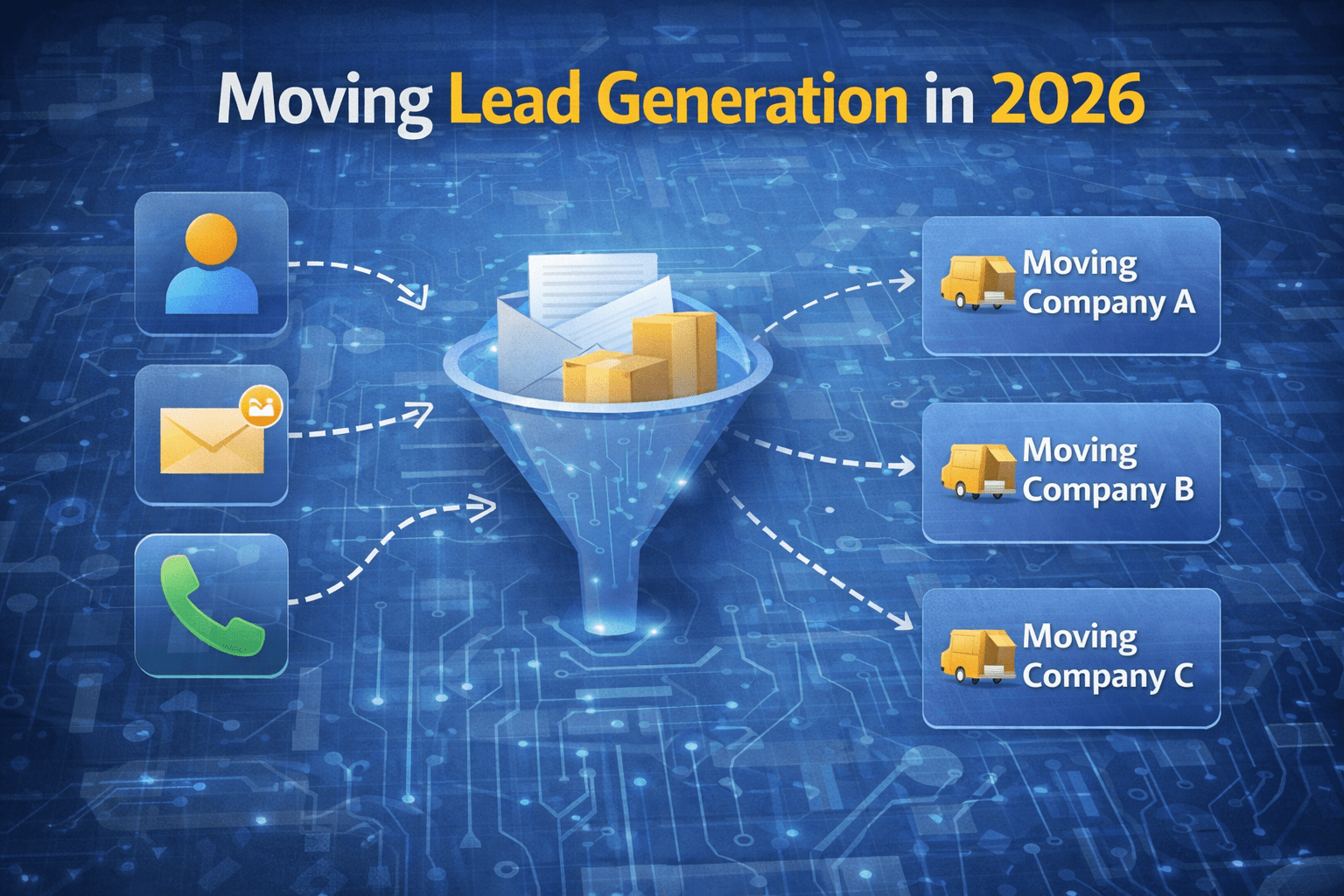
In 2026, moving lead generation will not just be about getting more inquiries. It will be about getting better leads, converting them faster, and building systems that generate demand consistently. This shift will reward movers who invest in smart digital strategies and punish those who rely on outdated methods. Best Moving Leads Providers have done the hard work for you by laying down a lead generation plan for 2026.
Let’s explore how moving lead generation is shaping up in 2026, the challenges movers face, and the strategies that will define success in the year ahead.
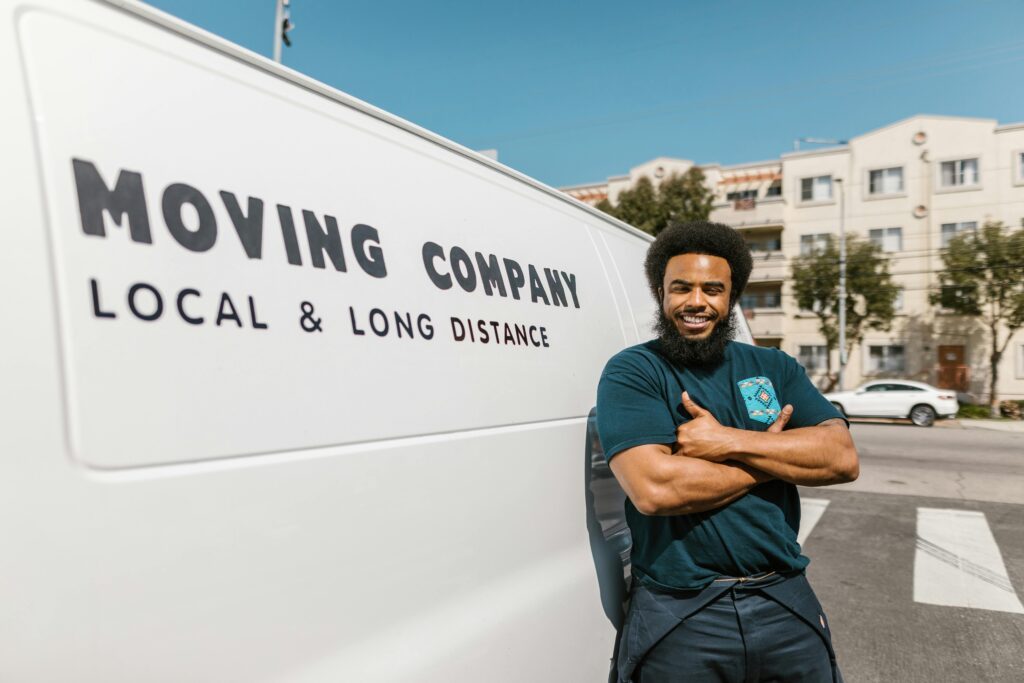
The Reality of Moving Lead Generation in 2026
The way customers search for movers has fundamentally changed. Most people start online, often on Google, and they expect answers immediately. They don’t want to dig through pages of results or call five companies just to get basic information. They want clarity, trust, and speed.
In 2026, moving lead generation revolves around three core ideas:
- Visibility – being present where customers are searching
- Relevance – matching user intent with the right message
- Trust – proving you’re a reliable choice before the first call
This means lead generation is no longer just a marketing task. It’s a business system that connects marketing, sales, customer experience, and operations.
Challenges Moving Companies Face in Lead Generation
As lead generation becomes more digital, movers face new challenges that didn’t exist before. Understanding these obstacles is the first step to overcoming them.
Training Your Team for a Digital-First World
Many moving companies still operate with teams trained for phone calls and on-site estimates, not digital tools and online lead handling. In 2026, teams must understand CRM systems, online forms, automated follow-ups, and lead qualification.
Without proper training, even high-quality leads can be wasted due to slow responses or poor communication. Investing in training or hiring digital-savvy staff will be critical.
Building the Right Team
Lead generation is no longer a one-person job. Successful movers now rely on a mix of skills:
- Marketing and content creation
- Paid advertising and analytics
- Sales and customer communication
Smaller companies may outsource parts of this process, while larger movers may build in-house teams. Either way, having the right people involved is essential.
Budgeting for Digital Lead Generation
Digital lead generation often delivers better ROI than traditional advertising, but it requires upfront investment. Website improvements, SEO, PPC campaigns, and tools all cost money.
In 2026, the movers who win will be those who treat marketing as an investment, not an expense. Cutting corners may save money short-term but limits long-term growth.
Understanding New Metrics
The reality of moving lead generation today is that lead quality matters more than lead volume. Movers must understand metrics like:
- Cost per lead
- Conversion rate
- Cost per booked job
- Lead response time
Tracking and improving these metrics separates profitable movers from those who feel busy but struggle financially.

The Growing Role of Digital Marketing in Lead Generation
Digital marketing is the backbone of moving lead generation in 2026. Each channel plays a specific role, and the most successful movers use them together rather than in isolation.
SEO: Long-Term Lead Stability
Search Engine Optimization remains one of the most powerful tools for movers. Ranking for keywords like “local movers near me” or “long distance moving company” brings high-intent leads without paying for every click.
In 2026, SEO is less about keyword stuffing and more about:
- Helpful, location-focused content
- Strong website structure
- Fast loading speeds and mobile usability
SEO builds authority and trust over time, making it one of the most sustainable lead sources.
PPC: Speed and Control
Pay-Per-Click advertising continues to be essential for immediate visibility. When done right, PPC places your company in front of customers who are actively searching and ready to book.
In 2026, PPC success depends on:
- Precise keyword targeting
- Strong landing pages
- Smart budgeting and bid control
PPC works best when combined with SEO, not used as a standalone solution.
Content Marketing: Trust Before the Call
Content marketing helps movers attract, educate, and convert leads. Blogs, guides, videos, and FAQs answer customer questions before they even contact you.
Useful content builds trust and positions your company as an expert, which improves conversion rates when leads finally reach out.
Email Marketing: Nurturing Leads Over Time
Not every lead books immediately. Email marketing keeps your company top-of-mind with follow-ups, reminders, and helpful information.
In 2026, automated email sequences and personalized messaging will play a bigger role in turning hesitant leads into customers.
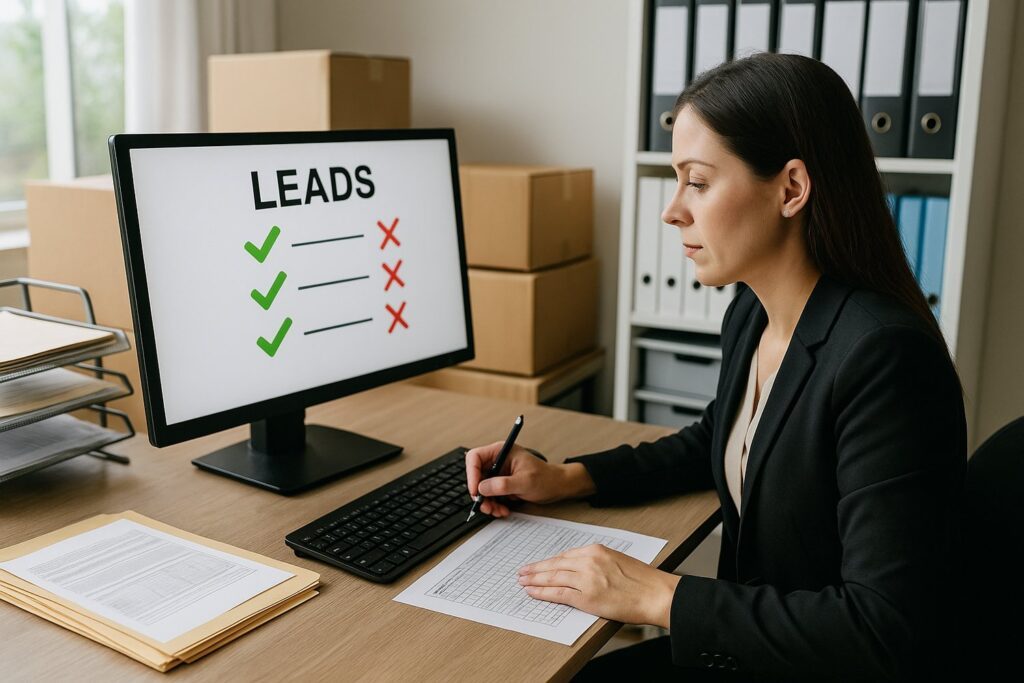
The Importance of Local SEO and Google Business Profile Management
For most moving companies, local leads are the foundation of the business. This makes Local SEO and Google Business Profile (GBP) management more important than ever.
Local SEO’s Impact on Lead Generation
Local SEO ensures your company appears when people search for movers in your service area. This includes:
- Optimizing city and service pages
- Using location-based keywords
- Maintaining consistent business information online
In 2026, Google continues to prioritize relevance and proximity, making strong local signals essential.
Google Business Profile: Your Digital Storefront
Your Google Business Profile is often the first thing customers see. A well-managed profile includes:
- Accurate service areas and contact details
- Regular updates and photos
- Consistent customer reviews
An optimized GBP can drive calls, website visits, and quote requests without any paid advertising.
Content Marketing Strategies That Will Matter in 2026
Content marketing remains one of the most effective ways to generate and qualify leads. The key is creating content that actually helps people who are planning a move.
Effective content ideas include:
- Step-by-step moving guides
- Packing tips and checklists
- Local area guides for new residents
- Video walkthroughs and how-tos
- Customer success stories
In 2026, movers who focus on helpful, practical content will outperform those who rely only on sales-driven messaging.
User Experience and Website Design Will Decide Lead Quality
Your website is no longer just an online brochure. It’s your primary lead generation tool.
Why UX Matters
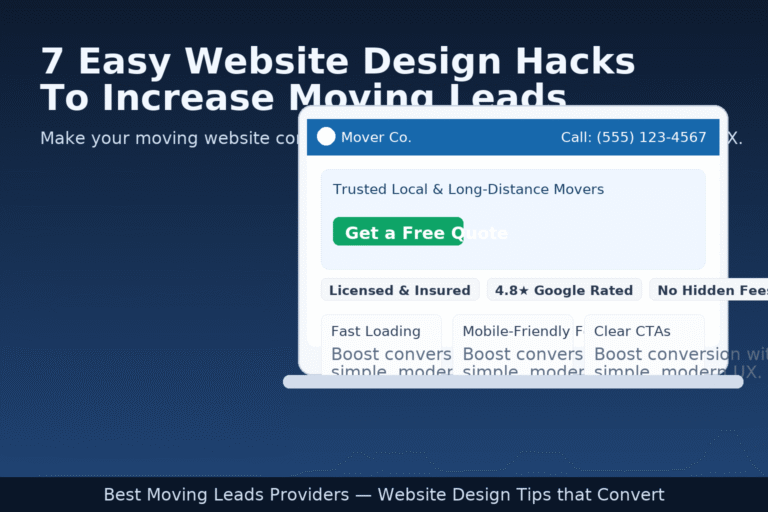
A poorly designed website kills leads. In 2026, customers expect:
- Fast load times
- Simple navigation
- Clear calls-to-action
- Mobile-friendly design
If your site is confusing or slow, potential customers will leave and contact a competitor.
Converting Visitors Into Leads
High-performing moving websites focus on:
- Clear quote forms
- Visible phone numbers
- Trust signals like reviews and licenses
- Simple, focused content
Great UX doesn’t just bring more leads—it brings better leads.
PPC for Immediate Visibility in 2026
PPC remains one of the fastest ways to generate leads, especially during peak seasons or slow periods.
In 2026, successful PPC campaigns will focus on:
- High-intent keywords
- Clear ad messaging
- Optimized landing pages
- Ongoing performance tracking
PPC gives movers flexibility and control, but it works best when supported by strong SEO and website conversion optimization.
Future Trends Shaping Moving Lead Generation
As we look ahead, several trends will define how lead generation evolves in 2026:
- AI-driven marketing tools that improve targeting and automation
- Personalized user experiences based on behavior and location
- Increased importance of video content
- Mobile-first optimization across all channels
Movers who stay adaptable and open to innovation will have a clear advantage.

The Big Picture: What 2026 Means for Movers
Moving lead generation in 2026 is no longer about quick fixes or single-channel tactics. It’s about building a balanced, data-driven system that attracts, converts, and retains customers.
The reality of moving lead generation is simple:
- Customers are online
- Competition is stronger
- Expectations are higher
By investing in SEO, PPC, content marketing, Local SEO, and user experience, moving companies can stay ahead of the curve and build a steady pipeline of high-quality leads.
The movers who succeed in 2026 will be those who stay informed, adapt quickly, and treat lead generation as a long-term growth strategy, not a short-term expense.