Live Chat vs Calls: What Works Better for Conversion?
Every move begins with questions, and how fast you answer them often decides whether you book the job or lose it.
For moving companies, communication is just as important as trucks, packing supplies, and staff. Whether your leads prefer chatting online or picking up the phone, the key is knowing which option converts better — and when to use each.
Let’s break down live chat vs calls, how they compare, what customers prefer today, and how using both can boost your conversions.
Calls vs Live Chat: How They Compare
For decades, phone calls have been the backbone of the moving industry. They’re personal, familiar, and perfect for customers who want answers right away about pricing, scheduling, or logistics.
But calls also have limits.
- They tie up your staff during busy hours.
- They take longer to resolve basic questions.
- Tracking and logging call data often requires extra tools.
That’s where live chat comes in.
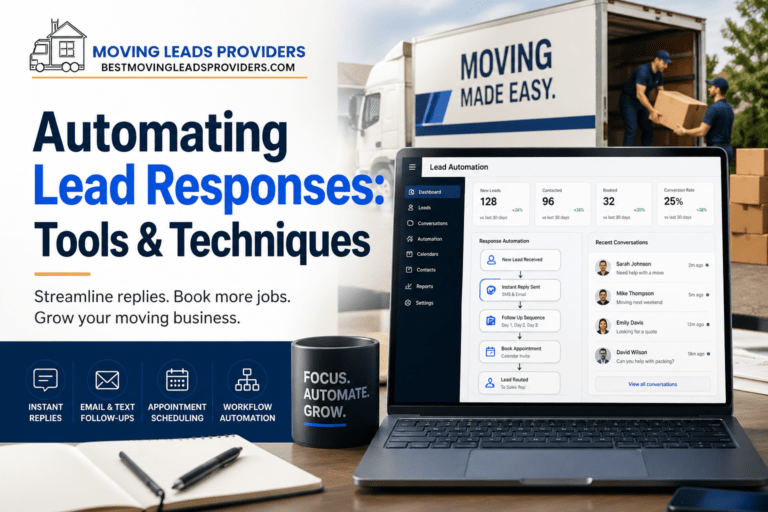
Live chat makes it easy to handle quick inquiries, collect lead information, and respond faster — all while keeping your team free for larger tasks. It integrates directly with your CRM or website, so chats are stored and tracked automatically.
👉 The best part? You don’t have to choose one or the other. Both have their place — it’s about using each where it performs best.

What Today’s Customers Actually Prefer
Customer behavior has changed. Most people now expect quick, flexible communication — especially for fast-moving decisions like booking movers.
Some customers want the speed and convenience of chat, while others still prefer the comfort of a phone call for more detailed or emotional discussions.
The real secret? Offer both.
When customers can choose how they reach you, they feel more in control — and that builds trust. Whether it’s a quick question about availability or a detailed discussion about a cross-country move, your company should be reachable however they prefer.
The Advantages of Live Chat
In the live chat vs calls debate, live chat shines when it comes to speed, convenience, and cost efficiency.
Here’s why movers love it:
✅ It’s convenient.
73% of customers say they prefer chatting over calling — especially when they just want quick info like prices or service areas.
✅ It converts better.
Visitors who chat are far more likely to become paying customers.
✅ It’s fast.
Chats can be answered instantly, keeping leads engaged before they click away.
✅ It makes customers happier.
87% of live chat interactions earn positive satisfaction scores.
Plus, chat systems automatically save every conversation — meaning your team can analyze what questions come up most and adjust your sales strategy.
💡 Best for:
Price quotes, scheduling questions, and lead capture during busy hours or after hours.
The Advantages of Phone Calls
Even with all the digital tools available, phone calls still have a crucial place in your business.
They help you:
✅ Build trust through tone.
Hearing a calm, confident voice reassures anxious customers — especially during stressful moves.
✅ Handle complex situations.
Some discussions are just easier over the phone, like custom moving quotes or last-minute changes.
✅ Encourage honest feedback.
People tend to open up more during a real conversation, helping you spot service issues early.
✅ Close high-value jobs.
Large residential or commercial moves usually require a detailed discussion — and that’s where phone calls shine.
In short, calls are still the best way to connect emotionally and handle big-ticket moves that depend on trust.

Tailoring Your Support for the Moving Industry
Your communication strategy should fit how your moving business operates day to day.
Movers are often on-site and busy — meaning calls aren’t always easy to answer in real time. That’s where live chat fills the gap.
AI-powered chatbots can handle questions like:
- “Do you move from New York to Boston?”
- “What’s the cost for a 2-bedroom move?”
- “How soon can I book?”
These bots collect lead details, schedule appointments, and answer FAQs automatically — even while your crew is on the road.
You can also program chat flows to give instant quotes or connect directly to your CRM, so no lead slips through the cracks.
Meanwhile, phone calls remain perfect for more personal interactions — especially for customers who need reassurance, have complex needs, or are making large bookings.
The Smartest Movers Use Both
You don’t have to choose between live chat vs calls, the best companies use both strategically.
Here’s the ideal setup:
- Live Chat & Chatbots: Handle quick inquiries, quotes, and booking questions 24/7.
- Phone Support: Manage complex moves and build relationships with high-value clients.
- Unified Platform: Use CRM tools like Tidio, Zendesk, or HubSpot to manage all conversations — chat, SMS, and calls — in one place.
- Virtual Receptionists: Capture overflow calls while your team is in the field.
This multi-channel approach ensures no lead is missed and every customer feels heard.

It’s Not Either/Or — It’s Both
In the end, it’s not about live chat vs calls — it’s about offering both in a smart, customer-first way.
Some people want a fast answer. Others want a real conversation. Both deserve a great experience.
By combining instant AI chat tools with personal phone support, you’ll respond faster, convert more leads, and build stronger relationships with customers.
At Best Moving Leads Providers, we help movers use modern communication tools to capture, convert, and retain more clients. If you’re ready to turn conversations into conversions, contact us today for expert moving lead strategies that work.