How to Leverage Google Maps Ads to Drive Local Moving Leads
When someone needs a mover fast, they usually do not start with a long research process. They open Google, type something like “movers near me,” and look at the companies that appear first on Maps, in local results, and in the service ad placements that feel the most immediate and trustworthy. That moment matters. It is where local moving companies either win the lead or lose it to a competitor.
For movers trying to increase nearby bookings, Google Maps visibility is not just a branding advantage. It is a direct lead generation channel. The combination of Google Maps ad placements and Local Services Ads gives moving companies a chance to stand out exactly when local intent is highest. Google’s current help documentation describes several ad formats in Maps, including Promoted pins, Map search ads, Map suggest ads, and ads on business detail pages. Google also notes that advertisers cannot serve ads exclusively /in Google Maps.
That distinction matters because many moving companies think “Google Maps ads” is one simple setup. In reality, there are two connected opportunities to understand. The first is using Google Ads and Maps placements to increase local visibility. The second is using Local Services Ads to capture calls and messages from people actively searching for movers. Together, they can create a stronger local lead engine than relying on organic rankings alone. Google says Local Services Ads let businesses receive calls and messages from potential customers, and in some markets customers can also request bookings directly through the ad.
Why Google Maps Matters So Much for Moving Leads
Moving is one of the clearest high-intent local searches in digital marketing. Most customers are not browsing casually. They are comparing availability, trust signals, location relevance, and speed. They want a company that looks established, close by, and easy to contact.
That is why Maps-based visibility is so valuable. It places your brand in front of customers at the exact moment they are trying to solve a local problem. A strong presence can increase calls, route users to your website, and reinforce credibility before a prospect even clicks through.
For movers, this matters even more because trust is everything. Customers are not just buying labor. They are handing over furniture, family possessions, business equipment, or fragile items on a deadline. When your company appears prominently in Google Maps-related placements with strong reviews, a complete profile, and a clear service area, your business feels safer and easier to choose. Google’s Local Services documentation specifically notes that reviews and ratings influence how businesses rank in Local Services Ads, and higher ratings help providers stand out.

Understanding the Difference Between Google Maps Ads and Local Services Ads
A lot of local movers blur these together, but they serve different functions.
Google Maps Ad Placements
What many movers call “Google Maps ads” are usually connected to Google Ads campaigns that can appear within Maps placements. Google documents multiple Maps ad experiences, including Promoted pins on the map itself, Map search ads, and Map suggest ads. Location assets also help ads show address and map-related information, making it easier for nearby searchers to engage with the business.
For a moving company, these placements help your business appear more visible when nearby prospects are searching in your market. They are especially useful for brand visibility, local discovery, and occupying more real estate around your Google Business presence.
Local Services Ads
Local Services Ads work differently. They are designed for service businesses and focus on lead generation more directly. According to Google, these ads can generate phone calls and message leads, and businesses manage those leads inside the LSA platform. Google also states that Local Services advertisers must have a public, verified Google Business Profile and complete the applicable screening and verification process.
For moving companies, LSAs are often the more direct path to booked local work because they are built around customer inquiries rather than just clicks.
The Foundation: Your Google Business Profile Has to Be Right
Before any mover spends money on Maps visibility, the Google Business Profile must be accurate, complete, and aligned with how the company actually operates.
This is especially important for service-area moving companies. Google’s Business Profile guidance says that if you do not serve customers at your business address, you should remove the address from the public profile and show only your service area. Google also allows service-area businesses to define up to 20 service areas and says the overall service boundary generally should not extend much farther than about two hours of driving time from the business base, though exceptions may apply for some businesses.
That means many movers should think carefully before presenting themselves like a storefront if they are actually operating as a service-area business. A mismatch between business type, address visibility, and service coverage can hurt trust and complicate verification.
From a lead generation perspective, the profile should clearly communicate your core services, cities served, phone number, business hours, and review strength. This is not a minor detail. It is the asset Google relies on to connect your ads, service area, and credibility signals.
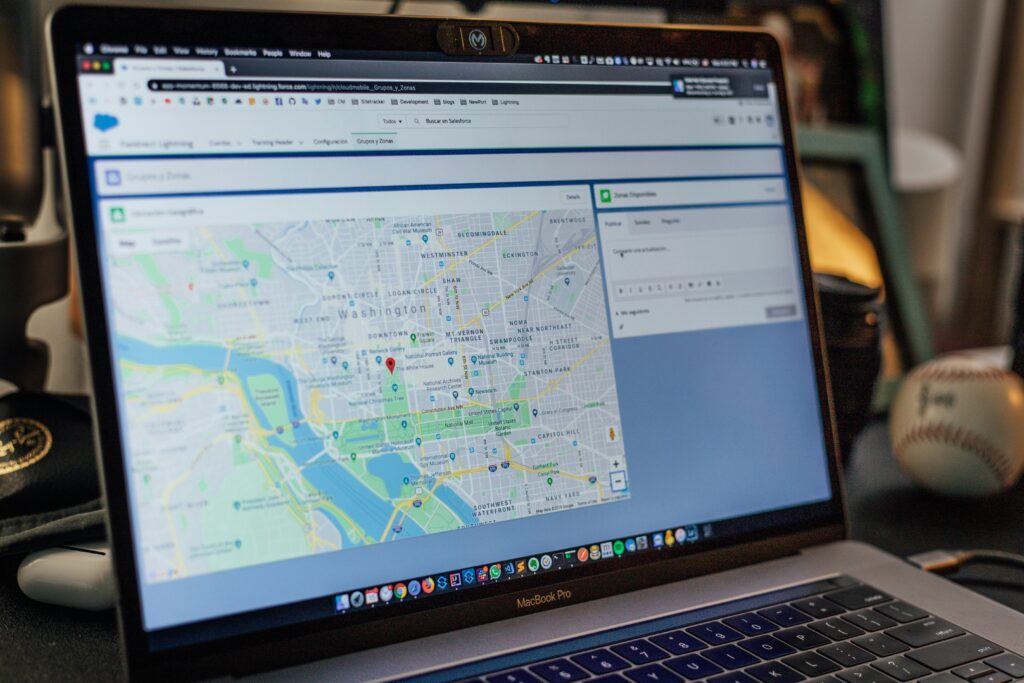
How Movers Should Approach Local Search Ads on Google Maps
The first goal with Maps-focused advertising is simple: show up where nearby search intent is already happening.
A moving company should structure campaigns around tightly defined local geography rather than broad, wasteful targeting. Google’s location targeting documentation explains that advertisers can target by countries, areas within a country, or radius around a location, though Google also notes location targeting is based on multiple signals and is not 100 percent precise in every case.
For movers, that means your setup should reflect operational reality. If your best margins come from apartment moves within 15 miles, same-city relocations, or suburban household moves in a specific cluster of ZIP codes, your campaigns should reflect that. Too many moving companies target entire metro areas without thinking about drive time, crew scheduling, or job profitability.
Prioritize Visibility Where Intent Is Closest to Booking
The strongest Maps strategy is not about being everywhere. It is about showing up in the neighborhoods where you can close quickly and serve well.
Promoted pins and map-related ad placements can help you stand out visually when a prospect compares nearby movers. Location assets strengthen that local relevance by tying your ads to business location information and map engagement.
This is where a smart lead generation strategy becomes more than basic advertising. At Best Moving Leads Providers, the real growth opportunity is not just buying exposure. It is aligning paid visibility with the local markets, job types, and lead quality your business actually wants. That is how ad spend turns into a scalable channel instead of a costly guessing game.
How Local Services Ads Help Movers Capture Ready-to-Call Prospects
If Maps-based visibility builds awareness, Local Services Ads are often where intent converts into inquiries.
Google says LSAs allow potential customers to call or message your business directly through the ad, and the platform is built around lead management rather than just traffic generation. Google also notes that reviews and ratings affect ad ranking, which means your reputation is part of your visibility strategy, not a separate marketing project.
For movers, that changes the game. Instead of hoping a click turns into a lead later, you are competing for prospects who are ready to reach out now.
Verification and Trust Are Part of Performance
Google currently requires a public and verified Business Profile for LSAs, along with applicable screening and verification requirements. Google’s documentation also explains that eligible advertisers who complete the requirements can earn the Google Verified badge.
That badge and verification process matter because moving is a trust-sensitive category. Customers want reassurance that the company is legitimate before they invite a crew into their home or building. In practical terms, that means setup quality, profile quality, and review quality all influence performance.

Conclusion
Leveraging Google Maps visibility and Local Services Ads is one of the most effective ways for moving companies to reach local prospects at the exact moment they are searching for help. Google Maps ad placements can improve local visibility, while Local Services Ads can create a more direct path to calls and messages from ready-to-book customers.
For movers, the opportunity is not just appearing online. It is appearing in the right local moments, with the right trust signals, in the right service areas, and with a profile built to convert. When that happens, Google becomes more than a search engine. It becomes a steady local lead source.
That is the bigger takeaway for moving companies focused on growth. The winning strategy is not simply run ads. It is to build a local acquisition system that turns visibility into qualified moving leads. And that is exactly where Best Moving Leads Providers helps movers create a smarter path to consistent, scalable growth.
If you want, I can draft the next blog now in the same format and style, with no FAQs included.