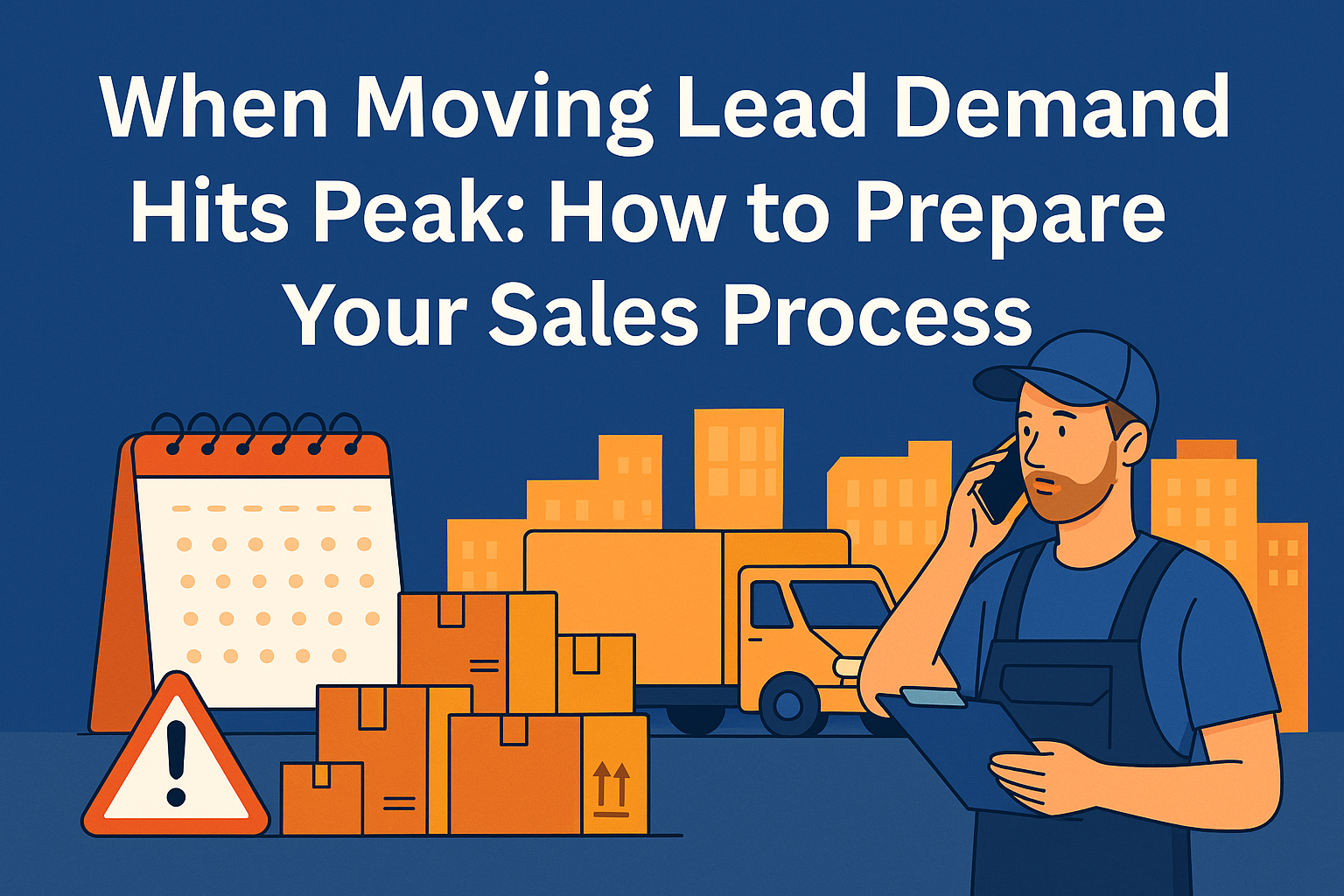
When Moving Lead Demand Hits Peak: How to Prepare Your Sales Process
Every moving company knows there are peak seasons when demand for moving services skyrockets. Typically, late spring through summer is the busiest time of year, with families relocating during school breaks, leases ending, and job transfers happening more frequently. But while more demand means more opportunities, it also brings new challenges, especially in how your sales team handles the surge of moving leads.
At Best Moving Leads Providers, we’ve seen movers who thrive during peak season and those who struggle to keep up. The difference almost always comes down to preparation. In this blog, we’ll explore how to get your sales process ready before moving lead demand hits its highest point.
Understanding Peak Moving Season
Before you prepare, you need to know what you’re preparing for. Peak moving demand usually happens:
- May through September – The busiest months of the year.
- End of each month – When leases expire.
- Weekends – Customers prefer to move when they don’t need to take time off work.
- Summer holidays – A popular time for cross-country or international moves.
This surge means your sales team could see 2–3x the number of leads compared to the slow season. Without a strategy, opportunities will slip through the cracks.

Step 1: Train Your Sales Team for Speed-to-Lead
During peak demand, the companies that call back leads the fastest almost always win the job.
- Respond within 5 minutes of receiving a lead.
- Have dedicated staff available during extended hours.
- Use call-routing or CRM alerts to ensure no lead goes unanswered.
Pro Tip: Automate an instant SMS confirmation so customers know you received their inquiry.
Step 2: Build a Clear Lead Qualification Framework
Not every lead will be a good fit, especially during peak season when inquiries spike. You need to quickly identify the most valuable ones.
Ask your sales team to focus on:
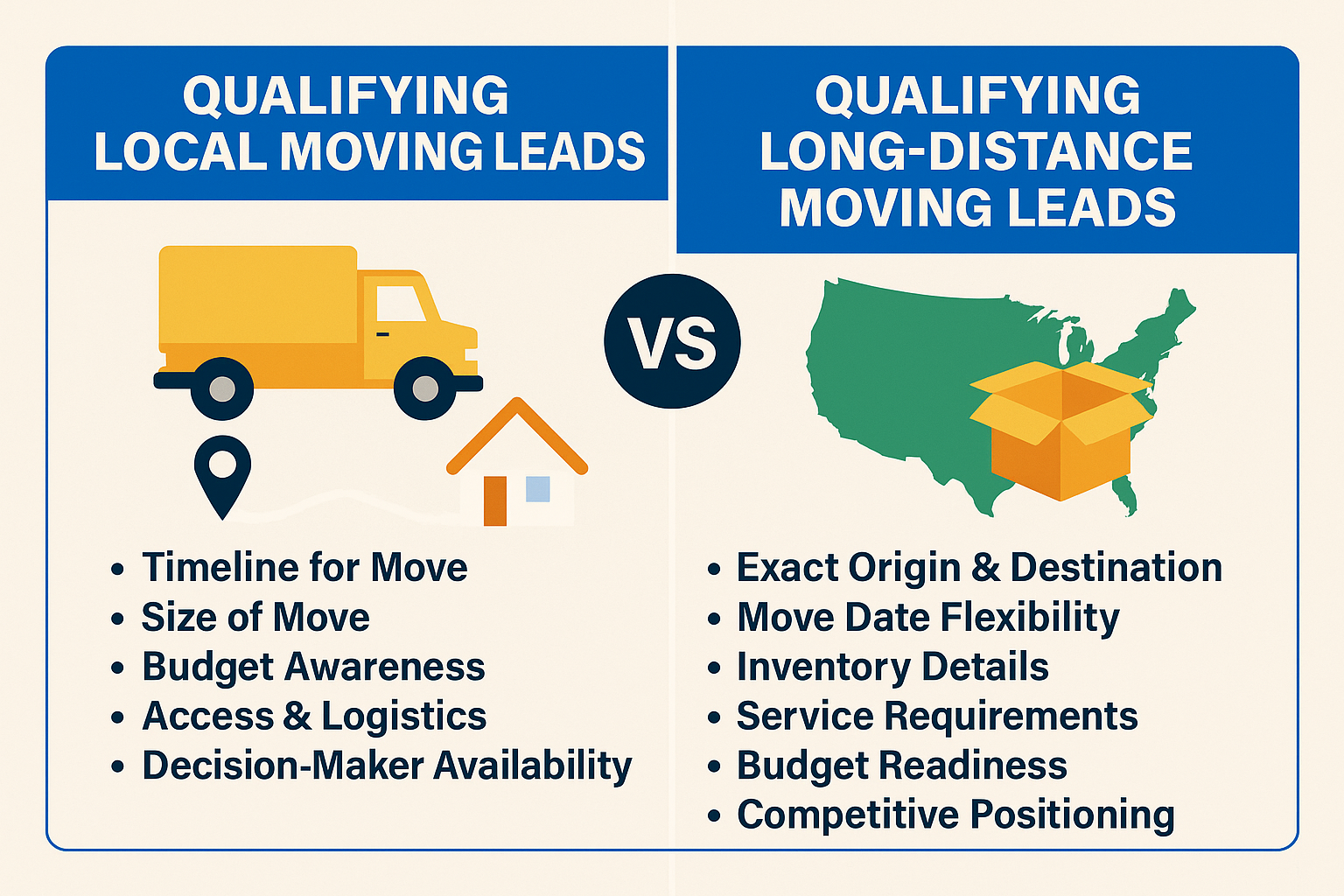
- Move date and flexibility.
- Origin and destination (local vs. long-distance).
- Size of the move.
- Services required (packing, storage, specialty items).
- Budget expectations.
Leads that match your ideal job profile should be prioritized immediately.
Step 3: Prepare Scalable Scripts and Sales Playbooks
When leads flood in, consistency matters. Create sales scripts and objection-handling playbooks your team can rely on.
Examples include:
- How to introduce your company confidently.
- Key questions to qualify leads in under 3 minutes.
- Responses to common objections like “Your price is higher” or “I’m waiting for other quotes.”
This ensures every rep communicates your value clearly—even under pressure.

Step 4: Offer Flexible Packages to Increase Conversions
Peak season is competitive, and customers will shop around. Flexible options can tip the scale in your favor.
- Tiered packages: Basic (moving only), Standard (moving + packing), Premium (moving + storage).
- Flexible scheduling: Offer weekday or mid-month discounts for customers willing to move outside peak slots.
- Transparent pricing: Give estimates quickly, with clear breakdowns to build trust.
Flexibility helps close more deals when leads are comparing multiple movers.
Step 5: Strengthen Follow-Up Systems
Not every lead books on the first call, especially during busy months. Without structured follow-up, you’ll lose opportunities.
- Day 1: Call + SMS + email.
- Day 2: Reminder email with moving tips or a checklist.
- Day 3: Final follow-up SMS before marking as cold.
A multi-touch approach shows persistence and professionalism.
Step 6: Align Sales and Operations
One of the biggest mistakes movers make is booking too many jobs without operational capacity. This leads to bad reviews and lost trust.
- Ensure your sales team knows available truck/crew capacity before confirming jobs.
- Use scheduling software to sync sales promises with actual resources.
- Be honest with leads—if you’re booked, offer alternative dates instead of over-promising.
Step 7: Track Performance Metrics
During peak season, tracking data is essential to understand what’s working.
Monitor:
- Response time to new leads.
- Call-to-quote ratio.
- Quote-to-booking conversion rate.
- Average revenue per move.
This data helps you adapt mid-season and maximize ROI from your leads.

Wrapping Up
Peak season brings both opportunity and pressure. The moving companies that succeed are those who prepare their sales process ahead of time—training teams for speed, qualifying leads effectively, offering flexible packages, and following up consistently.
At Best Moving Leads Providers, we supply movers with the high-quality leads they need to thrive, even during the busiest months of the year. If you’re ready to maximize conversions this peak season, contact us today to start receiving the best moving leads.