How to Personalize Emails for Different Types of Moving Clients
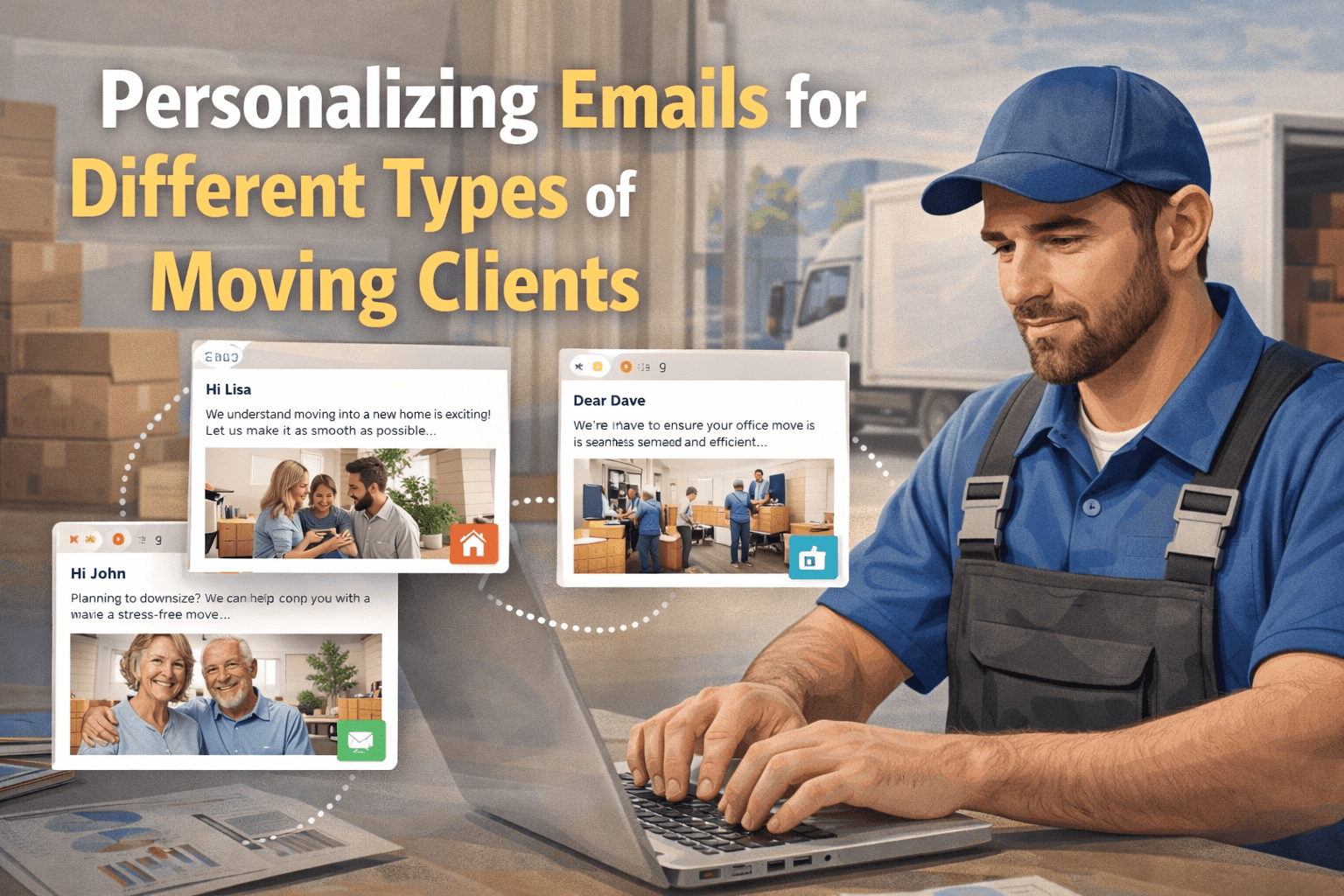
Personalized email marketing is one of the most effective ways for moving companies to connect with their clients. When emails feel relevant and tailored, customers are more likely to engage, trust your business, and take action. For movers, personalization goes far beyond using a first name, it means understanding different types of moving clients and delivering information that truly matters to them.
In a competitive moving market, personalized communication helps your brand stand out. By learning how to personalize emails for different client segments, moving companies can improve response rates, strengthen relationships, and increase repeat bookings and referrals. When combined with high-quality moving leads, email personalization becomes a powerful tool for long-term growth.
Segment Your Email List First
The foundation of personalized email marketing is segmentation. Segmenting your email list means dividing your contacts into smaller groups based on shared characteristics. This allows you to send messages that are more relevant and valuable to each audience.
Common email segments for moving companies include:
- Residential moves – Clients moving from one home to another
- Commercial moves – Businesses relocating offices or facilities
- Local moves – Moves within the same city or nearby areas
- Long-distance moves – Interstate or cross-country relocations
- First-time movers – Clients hiring a moving company for the first time
- Repeat customers – Clients who have used your services before
Segmenting your list helps ensure your emails address the right concerns, timelines, and expectations. It also positions your business as knowledgeable and attentive, which strengthens trust and credibility.

Personalize Email Content for Each Client Type
Once your list is segmented, tailor your email content to match each group’s specific needs. Different clients care about different details, and addressing those directly improves engagement.
Residential Moves
Focus on convenience, care, and stress reduction. Highlight packing services, fragile-item handling, and family-friendly moving tips.
Example message:
“Moving to a new home can feel overwhelming, but our team is here to make it easier. From careful packing to safe transport, we handle every detail. Here are a few tips to help your move go smoothly…”
Commercial Moves
Emphasize efficiency, planning, and minimal downtime. Businesses want reassurance that their operations won’t be disrupted.
Example message:
“Planning an office relocation? Our team specializes in commercial moves designed to minimize downtime and protect your equipment. Learn how we help businesses relocate efficiently and securely…”
Local Moves
Highlight local expertise, speed, and familiarity with the area.
Example message:
“As a local moving company, we know the area inside and out. That means quicker routes, better planning, and a smoother moving day. See how we can simplify your local move…”
Long-Distance Moves
Provide reassurance around logistics, transportation, storage, and insurance.
Example message:
“Moving long-distance? We offer reliable transport, secure storage options, and coverage for peace of mind. Learn how our long-distance services keep your belongings protected every step of the way…”
First-Time Movers
Educate and guide. First-time movers often need reassurance and clear instructions.
Example message:
“Your first move doesn’t have to be stressful. From packing checklists to moving-day tips, we’ve put together everything you need to feel confident and prepared…”
Repeat Customers
Show appreciation and reward loyalty.
Example message:
“Welcome back! We appreciate your continued trust in our services. As a thank-you, enjoy an exclusive offer on your next move and see how we can help again…”

Use Personalized Greetings and Dynamic Content
Personalization doesn’t stop at content themes. Small details make a big difference in how emails are perceived.
Benefits of Personalized Greetings
Using a client’s first name immediately makes an email feel more relevant and human. Personalized greetings can:
- Increase open rates
- Improve click-through rates
- Make emails feel one-to-one rather than promotional
Incorporating Dynamic Content
Dynamic content changes based on recipient data such as location, past inquiries, or services viewed. For example, a client who previously asked about long-distance moves could receive emails highlighting storage or packing add-ons.
This level of customization ensures clients see information that aligns with their needs, increasing engagement and conversions.
Strengthen Relationships Through Personalization
When clients feel recognized and understood, they are more likely to stay loyal and recommend your services. Personalized emails demonstrate that your company values individual needs rather than treating everyone the same. Over time, this builds stronger relationships and positions your business as customer-focused and reliable.
Include Clear and Relevant Calls-to-Action (CTAs)
Every email should guide clients toward a next step. Clear CTAs help turn engagement into action.
Effective CTAs include:
- “Get Your Free Moving Quote”
- “Schedule Your Move Today”
- “Read Our Expert Moving Tips”
- “Check Availability for Your Dates”
Make sure CTAs are visually distinct and aligned with the email’s purpose. A residential mover may respond better to “Request a Home Moving Quote,” while a commercial client may prefer “Plan Your Office Move.”
Test and Refine CTAs
Regular A/B testing of CTA wording, placement, and design helps identify what performs best. Adjusting CTAs for each segment can significantly improve results.
Monitor and Optimize Email Performance
Tracking performance is essential for improving your email campaigns. Key metrics to monitor include:
- Open rates
- Click-through rates
- Conversions and inquiries
Analyzing this data shows which segments and messages perform best. Use these insights to refine subject lines, content, and personalization strategies. Continuous optimization ensures your emails remain effective as client expectations evolve.
Leverage Customer Feedback to Improve Personalization
Customer feedback provides valuable insight into what your audience wants and worries about. Encourage feedback through follow-up emails, surveys, or post-move check-ins.
Use this feedback to:
- Address common concerns in future emails
- Create helpful educational content
- Highlight testimonials and success stories
Example feedback-based message:
“We heard from many clients that packing fragile items was a top concern. We’ve created a new guide to help you pack delicate belongings safely. Your feedback helps us serve you better—thank you for sharing!”
Incorporating feedback shows clients that their opinions matter and that your business is committed to improvement.
Use Automated Email Campaigns for Consistency
Automation allows moving companies to stay connected without constant manual effort. Automated campaigns ensure timely, relevant communication based on client actions.
Common automated workflows include:
- Welcome emails for new leads
- Pre-move preparation tips
- Post-move feedback requests
- Seasonal promotions
- Repeat-move reminders
Example Automated Workflow
- Welcome Email: Introduction to your services and what clients can expect
- Service Highlight: Overview of packing, storage, or specialty services
- Feedback Request: Ask about their experience after the move
- Promotion: Seasonal or loyalty-based offer
- Reminder: Gentle follow-up for future moving needs
Automation combined with personalization keeps your brand top of mind while maintaining a personal feel.

Final Thoughts on Personalized Email Marketing
Learning how to personalize emails for different types of moving clients is essential for building trust and driving better results. By segmenting your list, tailoring content, using personalized greetings, and leveraging automation, moving companies can create meaningful connections with their audience.
When paired with high-intent moving leads, personalized email marketing becomes a powerful growth strategy. With consistent testing, optimization, and attention to customer feedback, your emails can turn prospects into loyal clients and keep your moving business competitive in a crowded market.