How to Manage Finances While Expanding Your Moving Services
Expanding your moving services is an exciting step toward long-term growth—but it’s also one of the most financially demanding stages of running a business. Without a clear plan, expansion can quickly turn from an opportunity into a liability. Growth requires more trucks, staff, marketing, and infrastructure—and unless you manage your finances wisely, you may spend more than you earn.
At Best Moving Leads Providers, we’ve worked with moving companies nationwide and seen firsthand that success comes down to one thing: strategic financial planning. In this guide, we’ll break down actionable financial strategies that help you expand your moving business sustainably—while keeping profits, cash flow, and growth in balance.
Assess Your Current Financial Health
Before you invest in new trucks or expand into another city, take a step back and evaluate your current financial situation. Knowing where you stand gives you a realistic view of how much you can safely invest in growth.
1. Analyze Your Revenue Streams
Identify where your money is coming from—and which services bring in the highest profit margins. Local moves, long-distance moves, storage services, or corporate relocations might each generate different returns.
Focus your expansion on the services that yield the best ROI.

2. Audit Your Expenses
Break down your major cost areas: labor, fleet maintenance, insurance, marketing, and equipment. Determine which expenses are essential and which can be optimized.
Small savings in fuel efficiency, software automation, or vendor negotiations can lead to substantial annual savings.
3. Review Profit Margins and Pricing
If your profit margins are shrinking, it may be time to rework your pricing structure. Factor in all operating costs, competitive rates, and local market trends. Raising rates slightly—while emphasizing premium service quality—can often improve profitability without hurting bookings.
Create a Comprehensive Expansion Budget
A solid expansion plan starts with a clear budget that covers everything from initial investment to operational scaling.
Include All Upfront and Ongoing Costs
When planning your expansion budget, consider:
- Purchasing or leasing new trucks
- Hiring and training new employees
- Investing in CRM or dispatch software
- Expanding marketing campaigns
- Insurance, permits, and compliance fees
Plan for Unexpected Expenses
Set aside an emergency reserve to handle equipment breakdowns, weather delays, or slower months. A 10–15% buffer can save you from cash flow issues during growth.
Think Long-Term
Expansion doesn’t stop after the initial investment. Budget for continuous marketing, digital campaigns, and lead generation to keep your business pipeline full year-round.

Explore Financing Options for Growth
Smart financing helps you scale faster without overextending your resources. Evaluate all available options and choose those that align with your business goals.
- Small Business Loans or Credit Lines – Ideal for equipment purchases or facility upgrades.
- Leasing vs. Buying – Leasing reduces upfront costs, while purchasing provides long-term asset ownership.
- Strategic Partnerships – Collaborate with real estate agents, storage companies, or corporate relocation partners to share costs and expand your reach.
If you have strong revenue but limited liquidity, consider short-term financing to bridge the gap during rapid expansion. Just ensure your repayment plan doesn’t strain your operations.
Manage Operational Costs Effectively
Financial control starts with operational efficiency. Streamlining daily tasks and eliminating waste can dramatically reduce expenses.
Use Technology to Simplify Processes
Automation tools can handle dispatching, route optimization, and customer communication more efficiently.
Invest in:
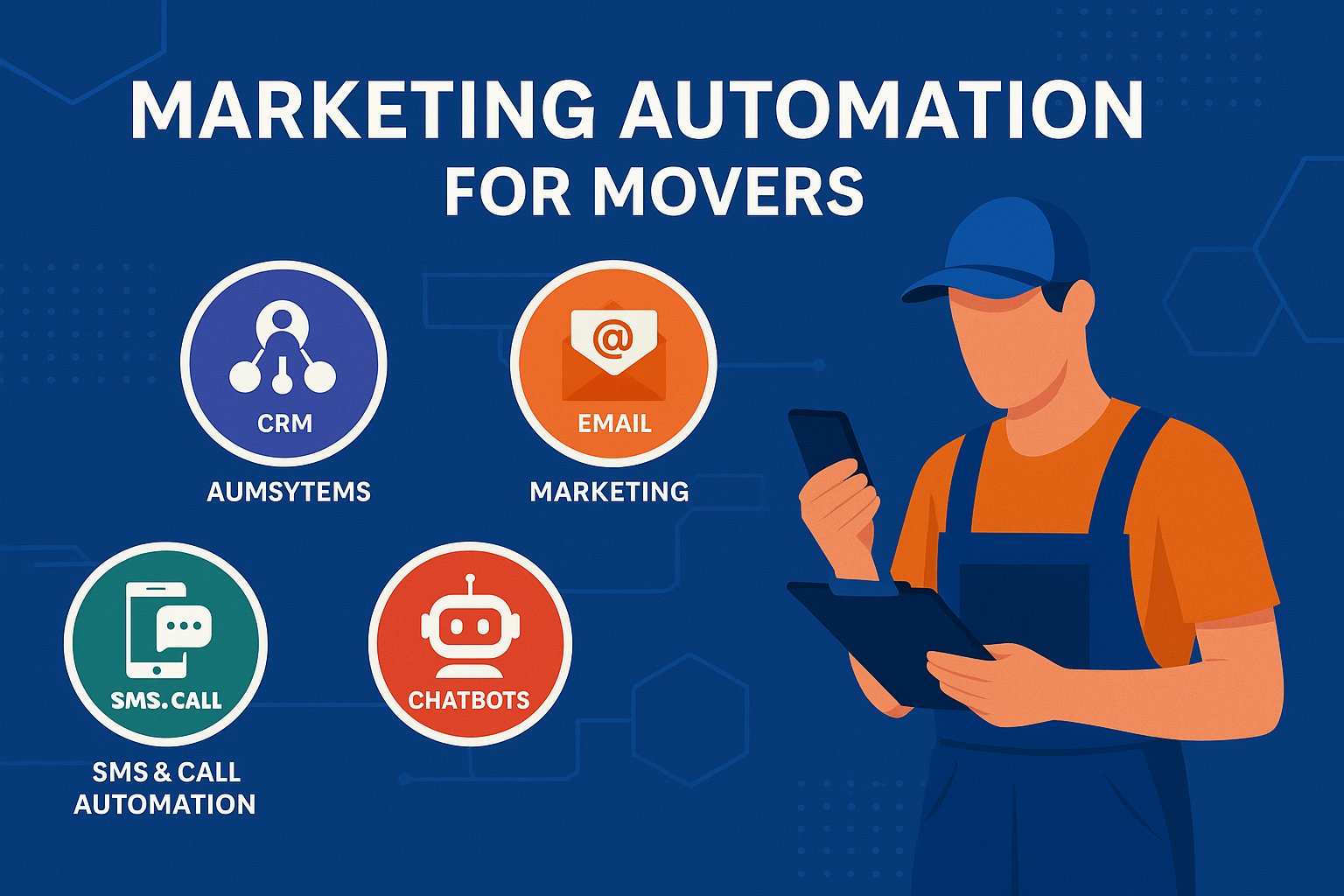
- CRM software for centralized client management.
- Fleet tracking systems to monitor routes and reduce fuel costs.
- Automated follow-up systems to keep leads engaged without manual effort.
Maintain Your Fleet Proactively
Schedule regular maintenance to prevent breakdowns. Well-maintained vehicles extend lifespan and reduce costly repairs.
Cross-Train Your Team
Train employees across multiple roles to handle scheduling, packing, and customer service during peak seasons. This flexibility helps you stay efficient without hiring unnecessary seasonal staff.

Invest in Marketing for Growth
Financial growth and marketing go hand in hand. Without consistent visibility, your expansion can stall before it even starts.
Prioritize High-ROI Channels
Invest in digital marketing strategies that directly generate leads and measurable returns:
- Local SEO – Rank for high-intent searches like “movers near me” and “best moving company in [city].”
- PPC (Pay-Per-Click) Ads – Target customers actively searching for movers in your new service area.
- Content Marketing – Publish blogs and guides that answer real customer questions and build authority.
Strengthen Your Brand
A strong online presence builds trust and drives more conversions. Pair a well-designed website with a verified and optimized Google Business Profile. Add real customer reviews, photos of your team in action, and updated service details.
Offer Seasonal Promotions
Winter and post-holiday months can bring a drop in bookings. Offer limited-time discounts or bundled services to keep cash flow steady during slow periods.
Diversify Your Services
Expansion doesn’t always mean moving into a new city—it can also mean expanding what you offer.
Add New Revenue Streams
Consider adding complementary services such as:
- Storage units (portable, warehouse, or climate-controlled)
- Packing and unpacking services
- Office relocations or corporate partnerships
- Eco-friendly moving options for sustainability-conscious clients
Each new service increases your earning potential and helps stabilize your business during seasonal fluctuations.
Build Strategic Partnerships
Work with real estate agencies, mortgage brokers, or property managers. Offer referral incentives or joint promotions. These partnerships bring steady, high-quality leads while expanding your market visibility.
Use Instant Quote Tools
Transparency increases trust. Add instant moving quote calculators on your website so clients can get quick, accurate estimates. This tool improves conversion rates and reduces friction in the booking process.

Plan Smart, Grow Stronger
Financial growth doesn’t happen by chance—it happens by design. Expanding your moving company successfully requires planning, tracking, and disciplined execution.
When you assess your finances, budget wisely, control costs, and invest strategically in marketing and technology, your business becomes scalable and resilient. The goal isn’t just to grow—it’s to grow profitably.
At Best Moving Leads Providers, we help moving companies manage growth with smart lead generation, digital marketing strategies, and automation tools designed to increase revenue without inflating costs.
🚀 Ready to Scale Your Moving Business?
Let’s make your expansion a success.
Contact Best Moving Leads Providers today to learn how strategic marketing and lead generation can help you attract high-quality customers, maximize ROI, and achieve sustainable growth.