How to Design Lead Nurture Workflows for Auto Transport Prospects
Auto transport leads do not always convert on the first contact. A prospect may request a quote today, compare prices tomorrow, speak with another company the next day, and only book once they feel confident about timing, carrier availability, insurance, pickup windows, and total cost. That makes lead nurturing one of the most important parts of converting vehicle shipping inquiries into booked jobs.
For moving companies and auto transport providers, a strong nurture workflow is not just a sequence of random follow-ups. It is a structured communication plan that guides prospects from initial interest to booking. It uses emails, calls, and text messages at the right moments, with the right message, based on where the customer is in the decision process.
When done well, lead nurturing helps you stay visible without sounding pushy. It answers common objections before they become deal-breakers. It reminds prospects why choosing a reliable transport partner matters. Most importantly, it gives your sales team multiple chances to convert leads that may otherwise go cold.
Why Auto Transport Leads Need a Different Follow-Up Strategy
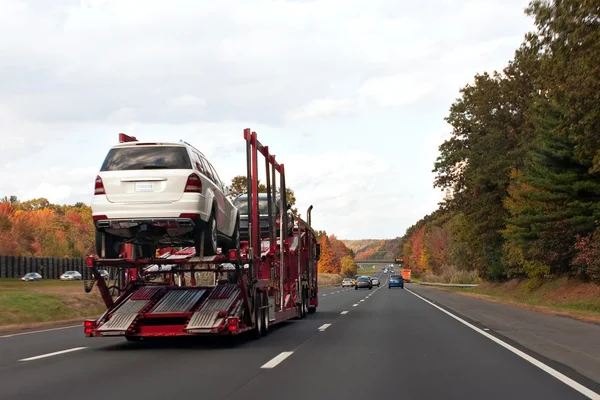
Auto transport prospects often have more questions than they first reveal. Many people requesting vehicle shipping quotes are not familiar with how the process works. They may not understand open vs. enclosed transport, pickup windows, route availability, seasonal pricing, carrier assignments, or insurance coverage. Because of this uncertainty, they may hesitate before booking.
Some prospects are also coordinating vehicle shipping with another major event, such as a household move, military relocation, college move, dealership purchase, snowbird travel, or corporate relocation. That means timing matters. If your follow-up does not match their urgency, you can lose the lead to a competitor who responds faster and explains the process more clearly.
A good nurture workflow gives each prospect enough information to move forward with confidence. It also helps your team identify which leads are ready to book now and which ones need more education before they commit.
Start with Fast Initial Contact
The first stage of any lead nurture workflow is immediate response. When someone submits an auto transport inquiry, they are likely comparing several providers. If your team waits too long, the prospect may already be speaking with another company.
The ideal first response should confirm that the inquiry was received, restate the basic details, and explain the next step. This can happen through an automated email, a quick text message, and a call attempt from your sales team.
For example, the first text could say:
“Hi [Name], we received your vehicle shipping request from [Pickup City] to [Delivery City]. Our team is reviewing the route and will contact you shortly with the next steps.”
This message is simple, but it does three important things. It confirms the request, personalizes the interaction, and prepares the prospect for a call. The goal is not to close the entire sale in one message. The goal is to create momentum.
Build a Multi-Stage Communication Flow
A strong auto transport nurture workflow should not depend on one phone call. Many prospects will not answer the first call. Some may need to speak with a spouse, employer, dealership, or relocation coordinator. Others may be waiting for final move dates.
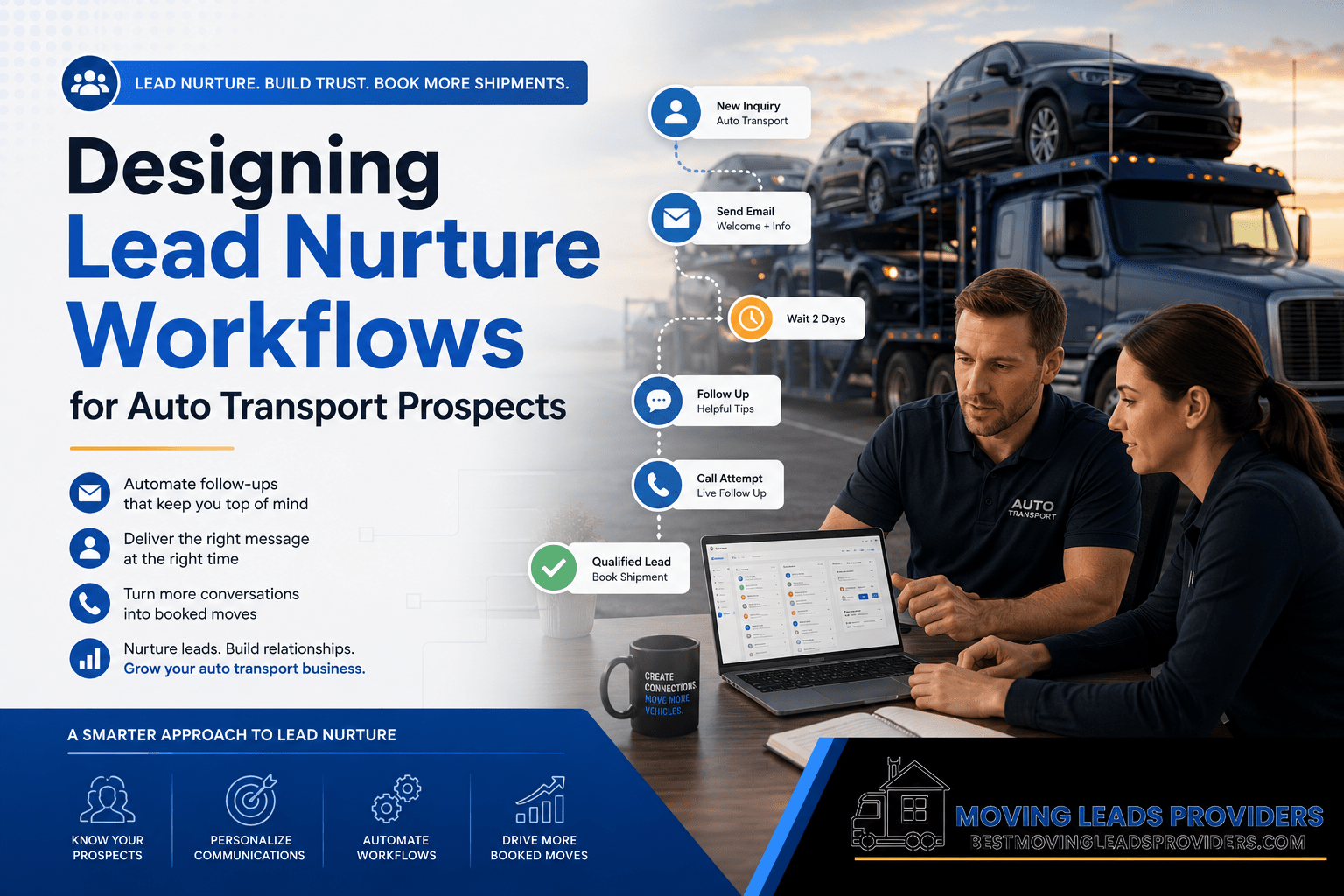
That is why the workflow should include multiple stages across several days.
A basic workflow may look like this:
Stage 1: Immediate response
Send an automated confirmation email and text, then attempt a phone call.
Stage 2: Same-day follow-up
If there is no answer, send a helpful message explaining what details are needed to finalize the quote.
Stage 3: Next-day education
Send an email explaining how auto transport works, including pickup windows, vehicle condition, and scheduling expectations.
Stage 4: Urgency-based follow-up
If the move date is close, call again and send a text reminding the prospect that carrier availability can change.
Stage 5: Objection handling
Send content that addresses pricing, insurance, transport options, or reliability.
Stage 6: Final booking push
Invite the prospect to confirm details, lock in the schedule, or speak with a specialist.
This structure keeps your company in front of the prospect without overwhelming them. It also ensures that each touchpoint has a purpose.
Use Email for Education and Trust Building
Email is ideal for longer explanations. Auto transport prospects often want clarity before they book, and email gives you space to explain the process in a calm, helpful way.
Your nurture emails should not only say, “Book now.” They should educate the prospect and remove uncertainty. For example, one email can explain what happens after booking. Another can discuss how pickup and delivery windows work. Another can compare open and enclosed transport. Another can explain why the cheapest quote is not always the safest option.
A useful email sequence may include:
Email 1: Quote request confirmation
Confirm the route, vehicle type, and expected next step.
Email 2: How vehicle shipping works
Explain the basic process from pickup to delivery.
Email 3: What affects pricing
Discuss distance, vehicle size, transport type, route demand, fuel costs, and timing.
Email 4: Why reliability matters
Explain carrier coordination, communication, insurance, and avoiding unrealistic quotes.
Email 5: Ready to schedule?
Encourage the prospect to speak with a specialist or confirm their shipment details.
The tone should be helpful rather than aggressive. The prospect should feel like your company is guiding them, not pressuring them.
Use Phone Calls for High-Intent Conversations
Phone calls are still one of the strongest conversion tools for auto transport leads. A call allows your team to answer detailed questions, understand urgency, explain pricing, and build trust quickly.
However, calls should be timed and prioritized properly. A prospect shipping a car next week should receive faster call attempts than someone researching a shipment three months away. A customer shipping a luxury vehicle in enclosed transport may need a more consultative conversation than someone shipping a standard sedan on a common route.
Your CRM should help your team prioritize calls based on factors such as shipping date, route, vehicle type, transport preference, and whether the prospect has opened emails or responded to texts.
During the call, the sales rep should focus on clarity. The goal is to confirm key details, explain the process, and make the next step easy. A strong call should cover:
- Pickup and delivery locations
- Vehicle year, make, and model
- Open or enclosed transport preference
- Vehicle condition
- Desired shipping timeframe
- Contact details
- Any special access issues at pickup or delivery
- Booking requirements and next steps
The rep should also document objections clearly. If the prospect says the price is too high, the next follow-up should address pricing and value. If they are unsure about timing, the next message should focus on availability and scheduling windows.
Use Text Messages for Speed and Convenience
Text messages work well because they are quick, direct, and easy to respond to. Many prospects who ignore calls will answer a text. This makes texting especially useful for confirming details, reminding prospects about next steps, or restarting a stalled conversation.
Texts should be short and specific. Avoid sending long sales pitches by text. Instead, use texts to create quick replies.
For example:
“Hi [Name], are you still looking to ship your [Vehicle] from [Pickup City] to [Delivery City]? I can help confirm the next available pickup window.”
Or:
“Carrier availability for your route can change quickly. Would you like us to review your shipping options today?”
These messages give the prospect a simple reason to respond. The best texts feel helpful, not automated.
It is also important to respect communication preferences. If a prospect asks not to be texted or says they prefer email, your team should update the CRM immediately.
Segment Prospects by Urgency and Intent
Not every auto transport lead should receive the same nurture sequence. A one-size-fits-all workflow often wastes effort and creates weak messaging. Segmentation helps you send more relevant follow-ups.
Common segments include:
Hot leads
Prospects shipping within 7 to 14 days or asking about immediate availability.
Warm leads
Prospects with a known route and vehicle but a flexible shipping date.
Research-stage leads
Prospects comparing options or planning a future shipment.
Price-sensitive leads
Prospects who object to cost or mention cheaper quotes.
Special-handling leads
Luxury, classic, inoperable, oversized, or enclosed transport inquiries.
Each segment needs a slightly different message. Hot leads need urgency and scheduling help. Research-stage leads need education. Price-sensitive leads need value explanation. Special-handling leads need reassurance about safety, equipment, and experience.
Create Follow-Ups Around Common Objections
Auto transport prospects often delay booking because they are unsure about cost, trust, timing, or vehicle safety. Your nurture workflow should address these concerns before they block the sale.
For pricing objections, explain what affects the quote and why unusually low prices can lead to delays or unreliable carrier assignment. For timing concerns, explain pickup windows and the importance of booking early. For safety concerns, discuss carrier standards, insurance, vehicle inspection, and communication during transport.
This does not mean overwhelming the customer with long explanations in every message. Instead, each follow-up should tackle one concern clearly.
For example, a pricing follow-up email could explain that vehicle shipping rates depend on distance, route demand, vehicle size, transport type, and pickup flexibility. It can then invite the prospect to speak with a specialist to review the best available option.
When objections are handled through the nurture sequence, the sales call becomes easier because the prospect already understands the basics.
Connect the Workflow to Your CRM
A nurture workflow only works if your team can track what happened. Every email, text, call attempt, voicemail, response, and booking status should be connected inside your CRM.
This helps your sales team avoid duplicate outreach and understand the prospect’s journey. If a lead has opened multiple emails but not answered calls, a text may be the better next step. If a lead replied with a timing concern, the next call should focus on scheduling. If a lead went cold after receiving pricing, the next message should address value and reliability.
CRM tracking also helps managers see where leads are being lost. If many prospects stop responding after the first quote, the pricing explanation may need improvement. If many leads answer texts but not calls, the workflow may need more SMS-based engagement. If hot leads are not called quickly enough, the assignment process may need to change.
Keep the Experience Human
Automation can improve speed, but auto transport prospects still want to feel like someone is paying attention. Messages should include the customer’s route, vehicle, timeframe, or concern whenever possible. A generic “Just following up” message is weaker than a personalized message referencing their shipping need.
For example:
“Hi [Name], checking in on your Toyota Camry shipment from Phoenix to Nashville. Are you still looking at pickup during the week of June 10?”
This feels more relevant and is more likely to get a response.
Your team should also avoid over-contacting. A smart nurture workflow balances persistence with respect. The goal is to remain helpful and available, not to annoy the prospect.
Measure and Improve the Workflow
Once your nurture workflow is active, track performance regularly. Important metrics include response rate, call connection rate, email open rate, text reply rate, quote-to-booking rate, time to first contact, and lost lead reasons.
You should also review which sequences produce the most booked jobs. A workflow for hot leads may need more call attempts. A workflow for future-date leads may need longer education. A workflow for price-sensitive leads may need stronger value messaging.
Lead nurturing should improve over time. Every conversation, missed opportunity, and booked job gives your team more data to refine the process.

Final Thoughts
Auto transport leads require more than a quick quote and a single follow-up call. Prospects often need education, reassurance, timing guidance, and multiple touchpoints before they are ready to book. A well-designed nurture workflow gives your team a structured way to stay connected while moving each lead closer to a decision.
Emails are best for education and trust building. Calls are best for detailed conversations and closing. Texts are best for fast reminders and quick replies. When these channels work together through your CRM, your follow-up becomes faster, more relevant, and more effective.
For moving companies and auto transport providers, this can turn more vehicle shipping inquiries into confirmed jobs.
If your business wants more high-quality auto transport leads and a stronger chance of converting them into booked shipments, Best Moving Leads Providers can help. Contact us today to learn how our auto transport moving leads and lead generation solutions can support your growth.