How Moving Companies Can Rank #1 on Google & Stay There
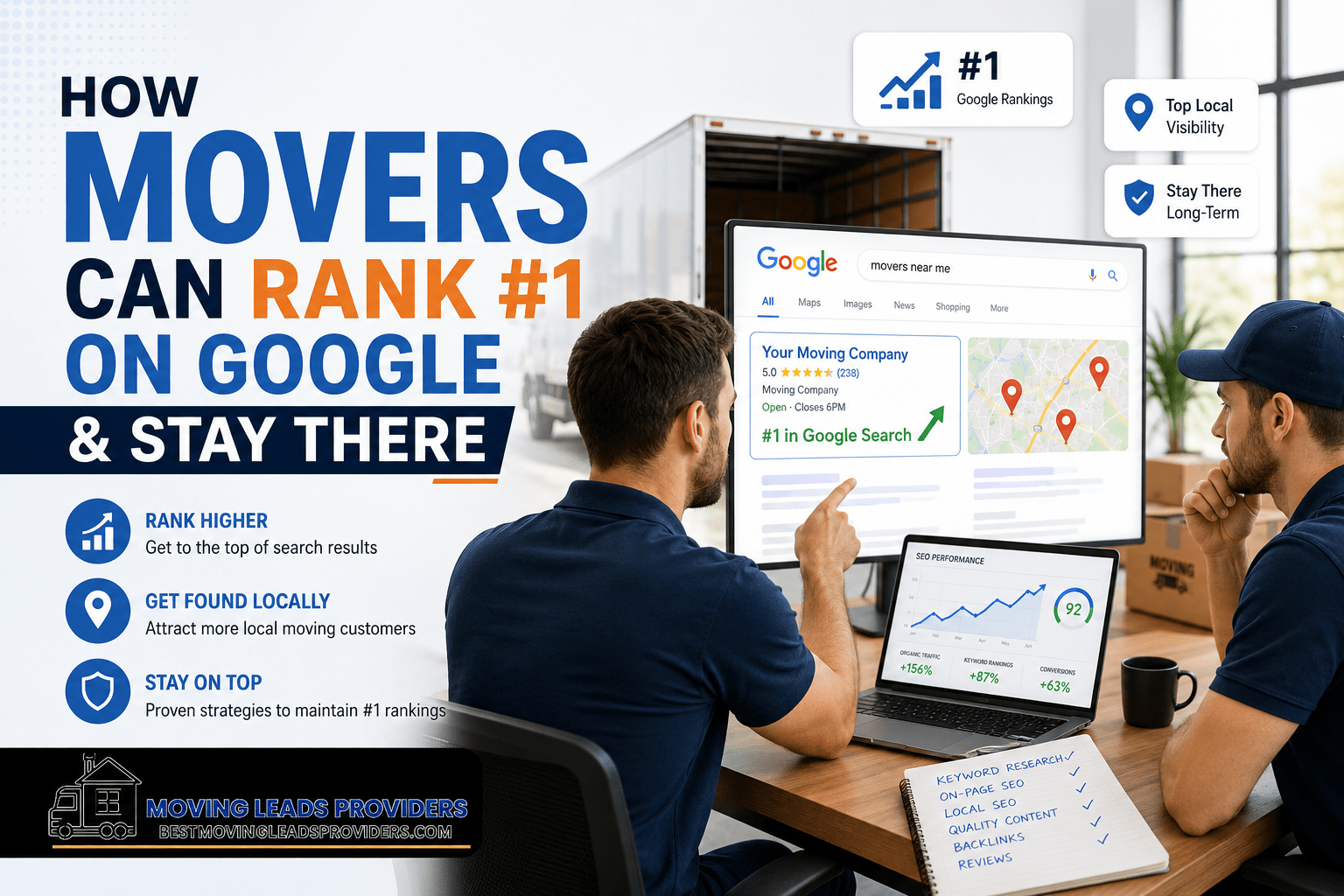
Ranking number one on Google is the dream every moving company chases, but very few actually achieve it, and even fewer manage to hold the spot once they get there. The reason has less to do with luck or budget and more to do with a misunderstanding of what Google actually rewards. Search rankings are not won by stuffing keywords into a homepage or by buying backlinks in bulk. They are earned by building a website that genuinely helps customers find what they need, loads quickly, looks trustworthy, and keeps visitors engaged long enough to convert into leads.
At Best Moving Leads Providers, we work with movers across every market segment, and the companies climbing to the top of search results all share a common discipline: they treat their website as a living asset, not a digital brochure. This article walks through the most important steps a moving company can take to reach the top of Google’s results, and the equally important habits that keep them there once the top spot is secured.
Understanding How Google Ranks Moving Companies
Google’s ranking system relies on hundreds of signals, but for a local service business like a moving company, three categories matter most: relevance, authority, and user experience. Relevance means your website clearly answers the searches it is trying to rank for. Authority means other reputable websites link to you and customers consistently leave positive reviews. User experience means visitors arrive, stay, engage, and convert — all measured through metrics like bounce rate, time on page, and Google’s Core Web Vitals.
For movers, this translates into a clear formula. You need a website that targets the right local and service-specific search terms, builds credibility through reviews and quality backlinks, and delivers a fast, smooth experience that keeps potential customers from clicking away.

Step One: Target the Right Keywords With Real Buyer Intent
Most moving company websites make the mistake of optimizing for broad terms like “moving company” or “movers near me” without supporting them with deeper, more specific pages. The real opportunity sits in long-tail, intent-rich keywords that match how customers actually search — phrases like “long distance movers from Chicago to Dallas,” “commercial office movers in Austin,” or “auto transport quote for cross country.”
Each service you offer deserves its own dedicated page, written naturally with the target keyword woven into the title, headings, opening paragraph, and meta description. Avoid keyword stuffing — Google’s algorithms easily detect it and penalize it. The goal is to write for humans first and search engines second, because Google has spent the last decade learning to evaluate content the way a reader would.
Step Two: Build a Website That People Actually Want to Use
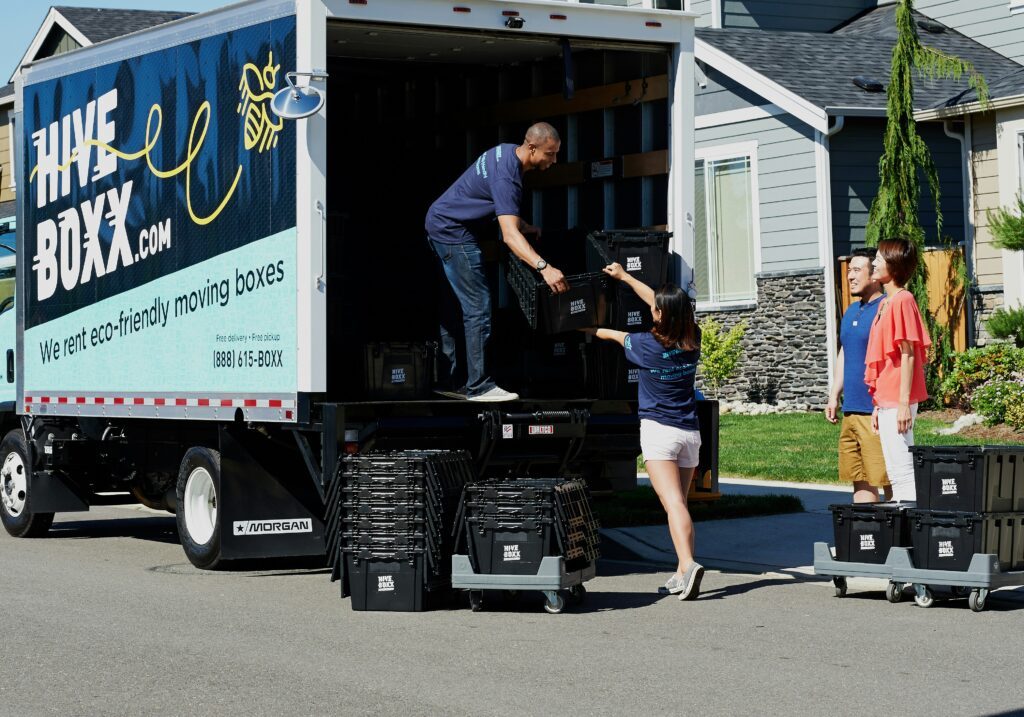
A great-ranking moving website is interactive, modern, and easy to navigate. Visitors should find quote forms within seconds, see your service areas clearly, and read about your services without scrolling through walls of dense text. Strong photography of your trucks and crews, customer testimonials with real names and photos, and live chat or click-to-call options all improve engagement and reduce bounce rate.
Bounce rate is one of the strongest behavioral signals Google watches. When visitors arrive on your site and immediately leave, Google interprets that as a sign your page did not match what they were looking for. Over time, high bounce rates push rankings down. The fix is design and content discipline: make sure the page above the fold answers the visitor’s most important question, gives them a clear next step, and looks professional enough to earn their trust.
Step Three: Earn Local Authority Through Reviews and Citations
Local search is largely about trust signals, and reviews are the strongest signal a moving company can build. A steady flow of positive Google reviews, collected ethically and responded to thoughtfully, pushes your business higher in local pack results and the regular search listings beneath them. Pair this with consistent business information across directories like Yelp, Angi, Thumbtack, BBB, and industry-specific platforms. When your name, address, and phone number match everywhere online, Google develops confidence that your business is real and established.
Backlinks from reputable websites — local news sites, business associations, partner sites, and industry publications — further strengthen your authority. Quality matters far more than quantity. One link from a respected source can outweigh dozens from low-value directories.
Step Four: Master the Technical Foundation
A beautiful website with weak technical health will never rank consistently. The pages must load quickly, work flawlessly on mobile devices, use proper heading hierarchy, and include clean structured data so Google can read your content accurately. SSL security, mobile responsiveness, and an organized site structure are non-negotiable in the current search landscape.
This technical layer is exactly where our team at Best Moving Leads Providers focuses through our Google and SEO services, ensuring movers get not just visibility but lasting first-page presence.
Step Five: Keep Engaging — Because Rankings Are Earned Daily
Reaching number one is one challenge. Staying there is another. Google constantly re-evaluates rankings based on freshness, engagement, and competitive movement. Publishing helpful blog content regularly, refreshing service pages, collecting new reviews, and improving site speed over time keeps your rankings stable. The movers who treat SEO as an ongoing investment rather than a one-time project are the ones who hold the top position year after year.

Frequently Asked Questions
For most markets, three to nine months of consistent SEO work produces meaningful first-page rankings. Competitive metros may take longer.
Not directly, but they generate traffic and brand awareness that often improves organic engagement signals over time.
Yes. Regular, helpful content signals to Google that your site is active and authoritative, and it captures long-tail search traffic competitors miss.
Final Word
Ranking number one on Google takes strategy, patience, and a website built to serve customers as well as search engines. With the right foundation and ongoing optimization support from Best Moving Leads Providers, your moving company can not only reach the top of Google but stay there.