
Generating Reviews: Building a System for Online Reputation Management
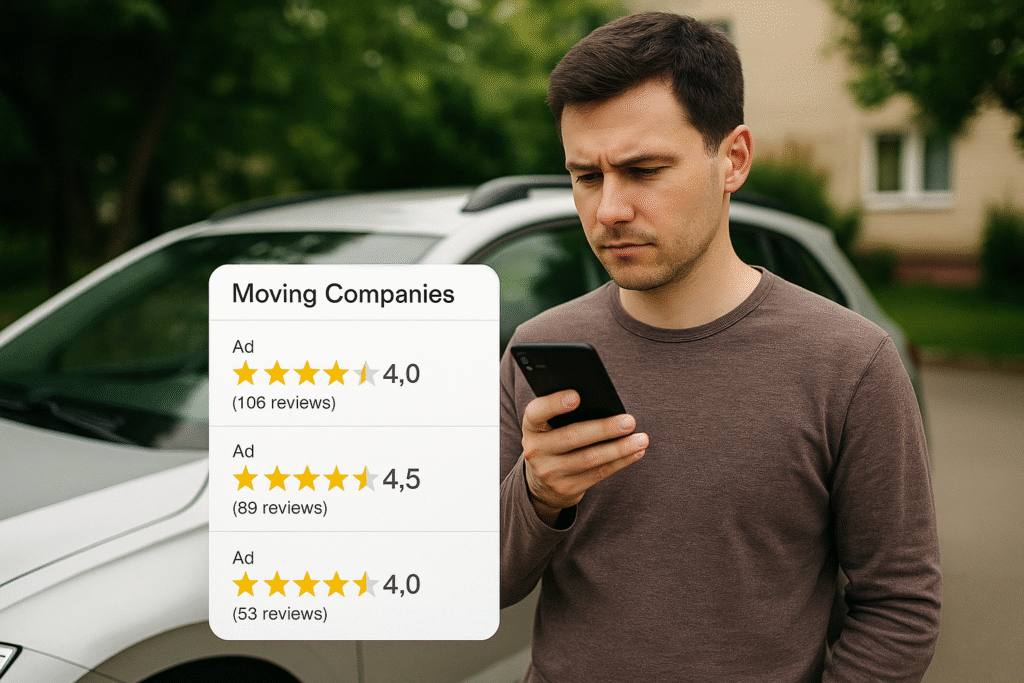
For moving companies, reviews aren’t just “social proof.” They’re a lead source. A strong review profile improves map visibility, increases click-through rates, and lifts conversion rates on every channel like SEO, PPC, referrals, even dispatch calls. The challenge is that most movers treat review generation like a sporadic task: someone remembers to ask after a great move, then nothing happens for two weeks.
A better approach is to build a system, a repeatable process that captures feedback from satisfied customers, routes issues before they become public complaints, and monitors brand mentions across platforms so you’re never surprised by a negative post.
At Best Moving Leads Providers, we see movers with the most stable lead flow doing two things consistently: they ask for reviews at the right moment, and they track reputation like a core operational metric. This guide shows how to create that system.
Why a Review System Beats “Asking When We Remember”
The moving industry has natural ups and downs: seasonality, end-of-month spikes, staffing changes, long drive days, and jobs that run over. Without a system, your review profile becomes inconsistent—ten reviews in July, two in October. That inconsistency impacts trust and visibility.
A structured system helps you:
- Generate reviews steadily, not in bursts
- Increase the percentage of customers who leave feedback
- Catch dissatisfaction privately before it becomes a public review
- Build a reputation that makes every marketing channel convert better
The goal isn’t to “game” reviews. It’s to make it easy for happy customers to share their experience—and to handle problems responsibly when they occur.
Step 1: Choose Your Primary Review Platforms (Don’t Spread Yourself Thin)
Most movers should prioritize:
- Google (the #1 platform for local conversion in most markets)
- Facebook (still influential for community-based trust and social sharing)
- Yelp (varies by market, but can matter in certain metros)
- Industry marketplaces (where relevant): Angi, Thumbtack, HomeAdvisor, BBB profiles, or local directories
You don’t need to push customers to all platforms. Pick one primary platform (usually Google) and one secondary platform if it fits your market. The simpler the ask, the more reviews you’ll get.
Step 2: Define “Review-Worthy Moments” in Your Workflow
The best time to ask for a review is right after the customer feels relief—when the job is done, the home is set, and nothing went wrong. For movers, that moment is often:
- Immediately after unloading and final walkthrough
- Within 1–3 hours of job completion (same day)
- The next morning (if the move finished late)
Don’t wait a week. The longer you wait, the more customers forget and the less emotional momentum they have.
Step 3: Create a Simple Review Request Sequence
A reliable review system usually includes three touches: a text, a follow-up, and an optional email. Keep it friendly, short, and human.
Review request text (same day)
“Hi [Name], thanks again for choosing [Company]. If we earned it today, would you share a quick review? It helps local families find a mover they can trust. Here’s the link: [Google Review Link]”
Follow-up text (2 days later)
“Hi [Name], just a quick follow-up—if you have a minute, we’d really appreciate your feedback on your move. Here’s the link again: [Review Link]. Thank you!”
Optional email (3–5 days later)
Subject: Thanks again for your move
Body: short thank-you + review link + contact info if there’s any unresolved concern.
This sequence works because it’s polite, spaced out, and easy. Most movers under-follow-up. You’re not bothering someone—you’re reminding them.

Step 4: Train Your Crew to Trigger Reviews (Without Being Awkward)
Your crew is your front line. The customer often remembers the crew more than the brand name. Review systems improve dramatically when the crew lead does a simple, professional closeout.
A natural script:
“Before we head out, is everything placed where you want it? If you’re happy with how everything went, you’ll get a text from our office with a review link. It would mean a lot if you shared your experience.”
No pressure. No begging. Just a clear expectation and an easy next step.
To reinforce consistency, include review generation as part of your job checklist:
- Final walkthrough completed
- Customer confirms satisfaction
- Crew lead notes anything that needs follow-up
- Office triggers review request sequence
Step 5: Use “Feedback First” to Prevent Bad Reviews
A review system shouldn’t only generate positive reviews—it should catch issues early.
One of the smartest strategies is a “two-step feedback” approach:
- Ask a simple satisfaction question immediately after the move
- If satisfied, send the public review link
- If not satisfied, route to customer care privately
Example SMS:
“Thanks for moving with us. On a scale of 1–10, how was your experience today?”
- 9–10: “Amazing—would you share a review?” + link
- 7–8: “Thanks—anything we could improve?”
- 1–6: “I’m sorry to hear that. A manager will reach out today to help.”
This isn’t about hiding problems. It’s about addressing them fast and fairly, before frustration spills into public reviews.
Step 6: Make Review Links and Requests Foolproof
Reduce friction. Every extra step loses reviews.
Best practices:
- Use a short, direct Google review link (not a generic homepage link)
- Add QR codes on business cards or fridge magnets for in-person requests
- Put review links in your post-move thank-you email and invoice receipt
- Include review request automation in your CRM or scheduling tool
If your team has to “remember” to send links manually, reviews will fall through the cracks.

Step 7: Monitor Brand Mentions Across Platforms (So Nothing Surprises You)
Reviews aren’t the only reputational risk. Customers also post in:
- Local Facebook groups (“Any movers you recommend?” or “Avoid this company”)
- Nextdoor threads
- Reddit city subforums
- Neighborhood forums and HOA pages
- Comments on your own social posts
You want to know when your name appears—good or bad.
Practical monitoring methods
- Google Business Profile notifications: ensure multiple managers have access
- Platform alerts: enable notifications on Yelp/Facebook and any marketplace profiles
- Google Alerts for your business name and common variations (helpful for web mentions)
- Social listening tools (optional): for larger companies, tools can track mentions across social platforms
- Weekly reputation check routine: assign a team member to scan key platforms
Even a simple weekly checklist prevents reputation fires from smoldering unnoticed.
Step 8: Respond to All Reviews (Yes, Even the Good Ones)
When you respond to reviews:
- Customers see you’re engaged and accountable
- Prospects see professionalism
- You strengthen brand trust and improve conversion
For positive reviews, keep it warm and specific:
“Thanks, [Name]! We’re glad the crew made your move smooth—especially with those stairs. If you ever need packing help or a future move, we’re here.”
For neutral or negative reviews, respond calmly, offer resolution, and move it offline. Your response is part of your marketing.
Step 9: Track Review KPIs Like You Track Leads
Reputation management should have numbers, not vibes. Track:
- Reviews per week/month
- Average star rating (by platform)
- Response rate and response time
- “Review velocity” during peak season vs. slow season
- Common complaint themes (pricing clarity, punctuality, damage, communication)
Then feed that back into operations. If “late arrival” shows up repeatedly, fix dispatch and communication. If “unexpected fees” appears, tighten your estimate language.

How Best Moving Leads Providers Supports Reputation-Driven Growth
Reviews make every lead source work harder. You can have the best SEO pages and run the smartest ads, but if your reputation looks shaky, your close rate drops and your cost per booked job rises.
That’s why Best Moving Leads Providers helps movers grow with a combination of exclusive and shared moving leads and marketing support that improves conversion—reputation strategy included. When your review system is consistent, you don’t just look better online. You win more of the leads you already paid to acquire.
Final Word: Build a Review Engine, Not a Review Habit
The movers who dominate their local markets don’t have “perfect” operations every day. They have consistent systems. A review generation system ensures happy customers actually leave feedback, unhappy customers get resolved quickly, and your brand stays monitored across platforms.
Start simple: pick your primary platform, automate your review request sequence, train your crew to tee up the ask, and check your reputation weekly. Over time, your review profile becomes a compounding asset—one that builds trust, increases visibility, and drives more booked moves month after month.