Using Reputation Monitoring Tools to Protect Your Moving Brand
In the moving industry, reputation can swing faster than almost any other home service. One delayed truck, one miscommunication about minimum hours, or one frustrated customer on Facebook can turn into a public complaint that lives online for years. And because most moving customers choose a company based on reviews and perceived trust, reputation isn’t just “PR”, it’s lead generation, close rate, and pricing power.
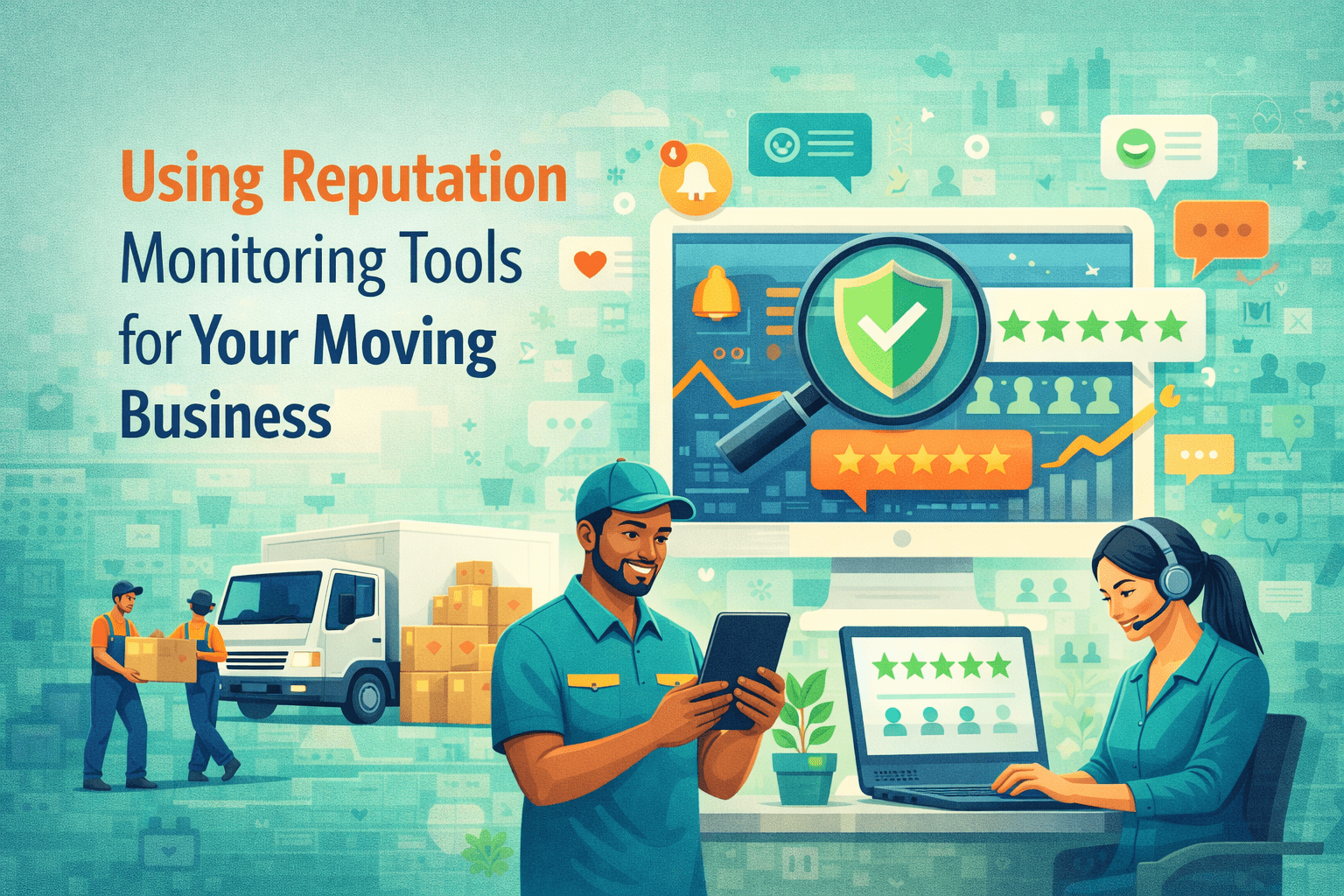
That’s why reputation monitoring tools matter. They don’t just help you “read your reviews.” The right software tracks online mentions, pulls reviews into one inbox, alerts you when sentiment shifts, and helps you respond before a small issue becomes a local brand problem. Some platforms even automate review requests and integrate with your CRM so reputation growth becomes a system instead of a hope.
At Best Moving Leads Providers, we see the best-performing movers treat reputation like a core operational KPI. They monitor it daily, respond quickly, and use data to prevent repeat issues. Here’s how to think about reputation monitoring tools, what they do, which categories matter most, and how to implement them without drowning your team.
What Reputation Monitoring Actually Means (Beyond “Checking Google”)
Reputation management is broader than review management. Review management focuses on collecting and responding to reviews on platforms like Google and Yelp. Reputation monitoring expands the lens to include brand perception across social media, forums, news, blogs, and local community groups—anywhere someone might mention your company name. Many software products blend both capabilities, but not all review tools monitor wider mentions.
For movers, that distinction matters because a lot of reputational damage doesn’t start on Google. It starts in a neighborhood Facebook group, a Nextdoor thread, or a local Reddit post where people ask, “Any movers to avoid?” If you only watch your Google Business Profile, you may find out too late.

The Three Tool Categories Movers Should Know
Most movers don’t need one giant enterprise platform. They need the right mix from three categories—depending on size, locations, and how fast they’re growing.
1) Review management platforms: centralize, respond, request
These tools pull reviews from multiple sites into one dashboard, make it easier to respond, and typically support automated review requests via SMS/email. Multi-location movers often choose platforms in this category because they can manage multiple branches and listings in one place. For example, Birdeye positions itself around monitoring many review sites from a centralized system and managing reputation at scale.
Tools commonly discussed in this space include Birdeye, Podium, NiceJob, and GatherUp.
Podium, for instance, is frequently used as a centralized communication and review collection hub (especially for SMS-first workflows), which can be a strong fit for movers who close leads by phone and text.
Best for: movers who want more reviews, faster responses, better organization, and a consistent post-move review request workflow.
2) Social listening and web monitoring: catch mentions early
Social listening tools scan the web for mentions of your brand across social platforms, forums, blogs, news, and more—then alert you. Brand24, for example, markets itself as monitoring mentions across social, news, blogs, forums, and other sources, including features like sentiment analysis and anomaly detection to spot spikes.
Best for: movers operating in reputation-sensitive markets (dense suburbs, multiple crews, high volume) or any mover who regularly gets discussed in community groups and wants early warning.
3) Listings management: keep your business info consistent everywhere
Listings management is the less glamorous side of reputation, but it’s critical. If your phone number is wrong on one directory, customers get frustrated. If your hours differ across platforms, you get “they never answered” complaints. Some reputation suites include listings management; others require an add-on or separate tool.
Best for: multi-location movers, franchise-style operators, or any brand that wants consistent NAP (name/address/phone) across the web.
What Features Matter Most for Moving Companies
Reputation tools can look similar on paper, so focus on features that actually protect a moving brand:
Real-time alerts that reach the right people
If a negative review hits at 7:30 PM and no one sees it until the next afternoon, you lose control of the narrative. Look for alerts via email, mobile push, or Slack-style notifications—especially for 1–2 star reviews or sudden spikes in mentions. Some monitoring tools explicitly focus on detecting unusual changes in mentions/sentiment so teams can react faster.
A unified inbox for reviews and messages
Movers win when they respond quickly and consistently. Platforms like Podium and Birdeye emphasize centralized messaging/review workflows, which helps teams avoid missed follow-ups.
Automation for review requests
The best way to “protect” your reputation is to build a steady stream of positive reviews so one bad review doesn’t define you. Many reputation platforms support automated review requests and reminders—ideal for post-move workflows.
Multi-location controls (if you operate across cities)
If you have more than one crew base or multiple GBPs, you need role-based access, location tagging, and reporting by branch. Birdeye explicitly positions for multi-location operations and centralized oversight.

A Practical Tool Stack for Movers
Instead of trying to buy “everything,” build a stack that matches your business stage.
If you’re a single-location mover (1–3 trucks)
Start simple:
- A review management tool (to request + respond consistently)
- Basic mention monitoring (even lightweight alerts) for your brand name
Your priority is review velocity and response consistency.
If you’re a growing mover (multiple crews, expanding service area)
Add:
- Social listening for early detection of neighborhood chatter
- Stronger reporting (review trends, response time, sentiment themes)
This stage is where brand damage can spread quickly if you’re not watching.
If you’re multi-location (several cities)
You typically need:
- A multi-location reputation platform (reviews + messaging + reporting)
- Listings management to keep data consistent
- A CRM integration so review requests and issue resolution become automated
How to Integrate Reputation Monitoring With Your CRM
The biggest unlock is connecting reputation to operations. When your monitoring tool and CRM talk to each other, you can:
- Trigger review requests automatically after a completed move
- Tag reviews to a job, crew, coordinator, or branch
- Create a customer care task when a negative review appears
- Track trends by move type (local, long-distance, packing add-on)
Many reputation platforms highlight CRM-triggered review generation and integrations as part of their workflow value.
For movers, this matters because “reputation” is often caused by repeatable operational patterns—late arrival windows, unclear travel fees, poor packing communication. If you can tie feedback to jobs and teams, you can fix the cause, not just the comment.
Your 24-Hour Reputation Response Playbook
Monitoring tools work best when your team has a simple response standard.
- Acknowledge quickly (within 24 hours).
Even if you need to investigate, respond calmly and invite an offline resolution. - Route internally with context.
Create a task: find the job, pull the estimate, check dispatch notes, confirm crew details. - Offer a clear next step.
A direct phone number or email for a manager. A request for photos if it’s damage-related. A promise to review invoices if it’s pricing-related. - Close the loop.
Once resolved, follow up privately. If the customer feels the resolution was fair, some will update their review.
This is how dissatisfied customers become advocates—not because you “won an argument,” but because you showed professionalism under pressure.

How Best Moving Leads Providers Helps You Turn Reputation Into Revenue
Reputation monitoring protects your brand, but its real financial value is this: it improves conversion across every lead source.
That’s why movers who buy leads or run PPC should prioritize reputation tools early. The more trust you project online, the more of your leads turn into booked jobs—at a lower effective cost per booking. At Best Moving Leads Providers, we encourage movers to build a “trust stack” alongside lead flow: consistent review generation, fast response, and monitoring that catches issues before they escalate. And when you combine that with exclusive or shared moving leads, you get a pipeline that’s not only full—but easier to close.
Conclusion: Monitoring Tools Don’t Replace Service—They Protect It
You can run great crews and still get hit with the occasional unfair review or public complaint. Reputation monitoring tools are your early-warning system and your organization layer: they help you see issues fast, respond consistently, and build enough positive momentum that your brand stays resilient.
Choose tools based on your real needs (reviews, mentions, listings, multi-location control), wire them into your CRM, and run a simple response playbook. Do that, and your reputation stops being something you “hope is okay”—it becomes a measurable asset that protects your moving brand and strengthens your lead generation year-round.