Using Virtual Reality Tours to Engage Potential Moving Clients
In the moving industry, trust and clarity are everything. Before a customer books a move, they want confidence that the company understands the scope of the job, can price it accurately, and will handle the process professionally. For movers, that creates a familiar challenge: how do you assess a home, build a reliable estimate, and keep the prospect engaged without slowing down the sales cycle?
Virtual reality tours and 3D home walkthrough technology are becoming a powerful answer.
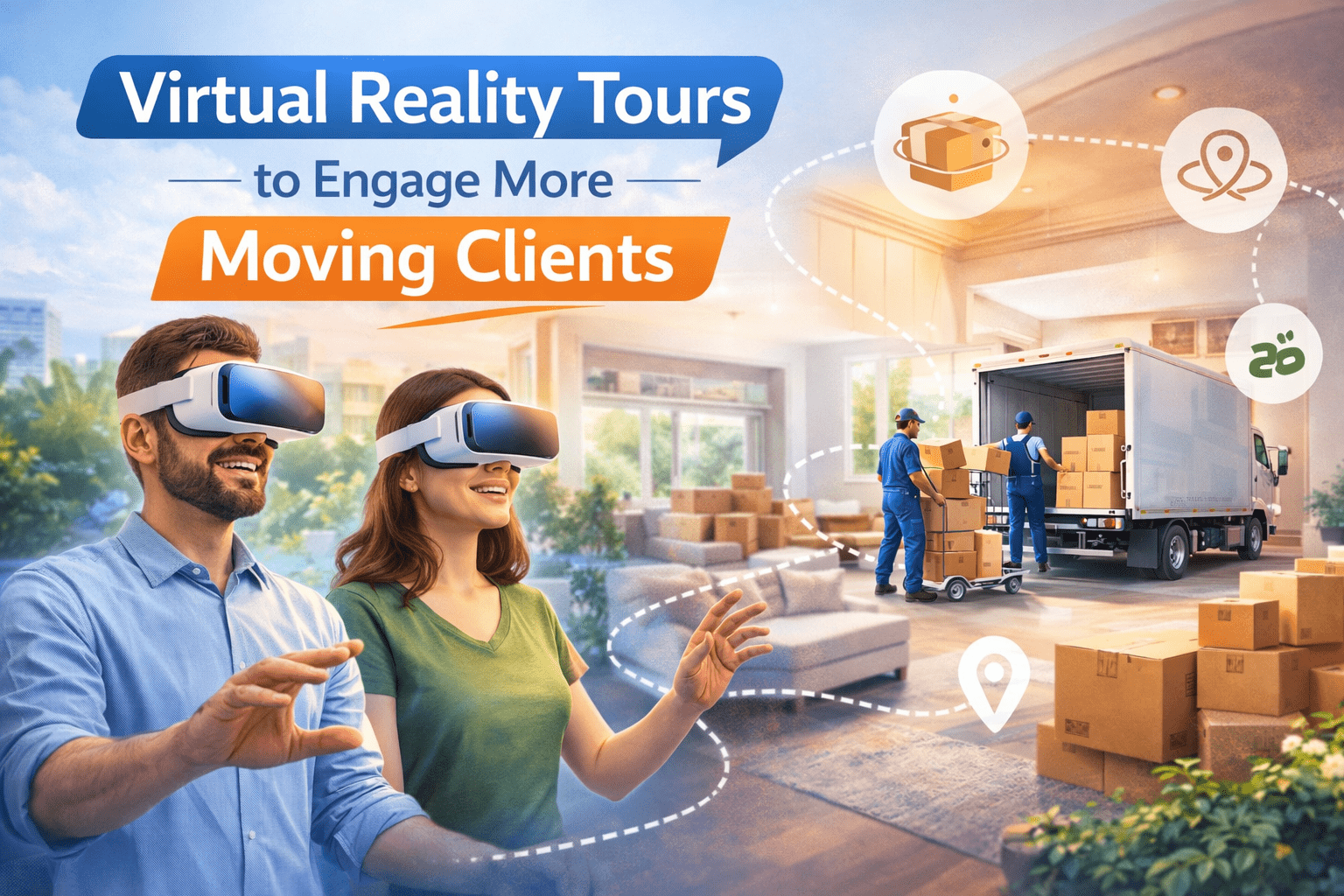
What once felt like an advanced tech feature is now emerging as a practical sales and lead conversion tool for moving companies. By allowing prospects to share a virtual view of their home, inventory, layout, and access conditions, VR-assisted surveys help movers gather better information earlier in the process. That leads to more accurate quotes, smoother communication, and a stronger customer experience from the first interaction.
At Best Moving Leads Providers, we see this as more than a technology trend. It is a smart engagement strategy for movers who want to improve lead quality, reduce friction in the quoting process, and stand out in an increasingly competitive digital market.

Why Virtual Reality Tours Matter in Modern Moving Sales
Traditional quote methods often create gaps. A basic form submission may capture only limited information. A phone call can miss important visual details. Even an in-person estimate, while valuable, requires scheduling, staffing, and extra time that may delay the sales process.
That delay can cost conversions.
Today’s moving customer expects convenience. They want fast estimates, simple communication, and less back-and-forth before making a decision. Virtual reality tours and 3D home surveys help meet that expectation by making the quote process more interactive and efficient.
Instead of relying only on written descriptions like “three-bedroom house” or “apartment on the second floor,” movers can gather a much more detailed view of the space. They can see furniture size, hallway width, stair access, packing complexity, entry points, and potential handling challenges. That creates a more complete picture without requiring an immediate on-site visit.
For prospects, this feels modern and helpful. For movers, it creates better information and a stronger sales foundation.
How 3D Home Tours Improve Quote Accuracy
Accurate quoting is one of the biggest pain points in moving sales. Underquote a move and the job becomes less profitable or creates customer frustration when adjustments are needed. Overquote it and the lead may choose a competitor.
Virtual home tours help reduce that uncertainty.
When a customer completes a 3D walkthrough or guided virtual survey, your team can assess the actual conditions of the move rather than guessing from a limited intake form. You can identify bulky items, fragile pieces, narrow doorways, elevator access, stairs, garage storage, outdoor obstacles, and other factors that often affect pricing.
This level of visibility helps in several important ways.
Better Inventory Assessment
A virtual walkthrough provides more detail than a standard checklist. Instead of simply asking how many bedrooms are involved, movers can visually review the volume and type of belongings. That supports better truck sizing, labor planning, and service recommendations.
Fewer Surprise Charges
One of the fastest ways to damage trust is to give an initial quote that changes significantly on moving day. VR surveys help limit those surprises by uncovering details earlier. When the estimate is based on a fuller understanding of the job, pricing becomes more dependable.
More Accurate Scheduling
Quote accuracy is not just about price. It also affects timing. A move with stairs, tight corners, disassembly requirements, or specialty items may take longer than expected. Virtual tours help dispatch and sales teams estimate labor hours more precisely.
Improved Service Matching
Some prospects need more than transportation. They may need partial packing, storage, specialty handling, or commercial relocation support. A virtual tour helps your team identify those needs and recommend the right services sooner.
The result is a better quote and a better customer experience. Accuracy becomes a selling point rather than a problem to manage later.
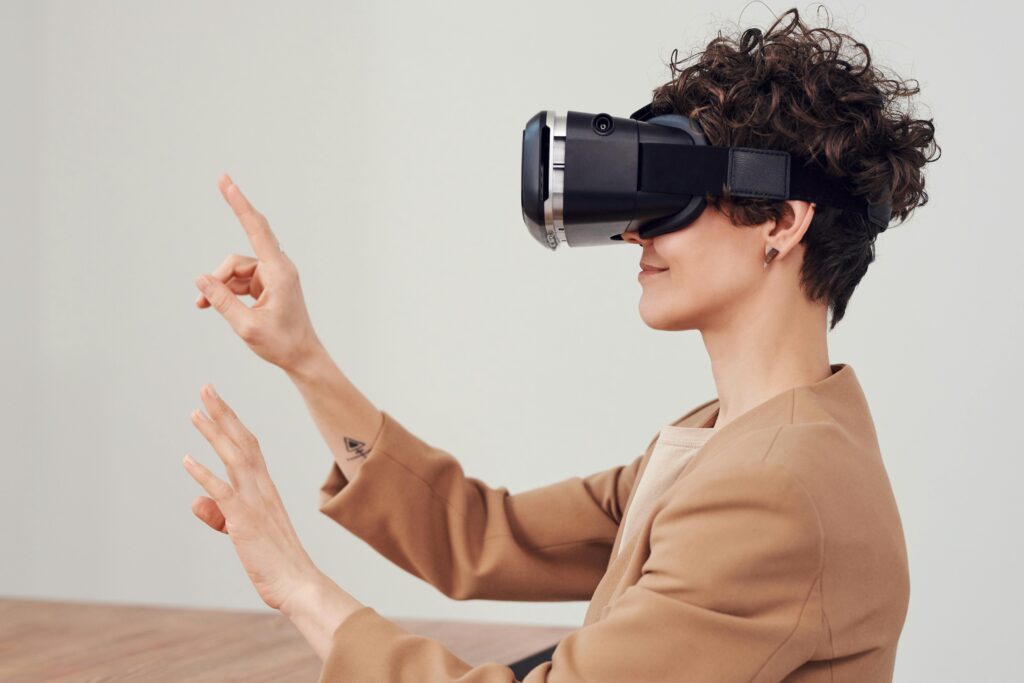
Virtual Tours Keep Prospects Engaged During the Sales Process
Lead engagement matters just as much as lead capture. Many moving companies lose potential customers not because the service is poor, but because the sales process feels slow, generic, or disconnected. Virtual reality tools help solve that by creating a more interactive journey.
A virtual survey asks the prospect to participate in a meaningful step. Instead of passively waiting for a callback, they are actively showing their space, answering relevant questions, and moving deeper into the process. That increases involvement, which often strengthens intent.
This also gives your brand a more professional and tech-forward image. A mover that offers convenient virtual assessments appears organized, modern, and responsive. In crowded local markets, that perception can make a significant difference.
Engagement improves because the experience feels personalized. The customer is not receiving a one-size-fits-all estimate based on assumptions. They are getting a quote informed by the specifics of their actual move. That makes them more likely to stay in the funnel and continue the conversation.
Creating a Better Remote Sales Experience
One of the biggest advantages of VR and 3D home tour tools is that they support remote selling without making the process feel impersonal. This is especially valuable for long-distance movers, interstate moving companies, and corporate relocation services that often work with customers across cities or states.
A family planning a relocation may not have time for multiple in-home visits. A busy professional coordinating a move may prefer to handle everything from their phone. A company planning an office relocation may want faster vendor comparisons without weeks of scheduling.
Virtual assessments fit these realities well.
They allow sales teams to collect high-quality information while keeping the process convenient. This can shorten response times, reduce scheduling barriers, and help movers provide estimates faster. In a lead generation environment where speed often determines who wins the customer, that is a serious advantage.
At Best Moving Leads Providers, we consistently emphasize that better lead conversion comes from reducing friction. Virtual tour technology does exactly that by making the next step easier for both the mover and the prospect.
Using VR Technology as a Competitive Differentiator
Many moving companies still rely on the same sales flow they have used for years: form fill, phone call, rough estimate, follow-up. That process still has value, but it does not always match the expectations of digitally driven consumers.
Offering virtual reality or 3D survey options helps your business stand out.
It gives prospects a reason to remember your brand. It also creates stronger marketing angles across your website, paid ads, and sales materials. Instead of promoting only general claims like “reliable movers” or “free estimates,” you can highlight specific benefits such as virtual quote accuracy, convenient home walkthroughs, and faster assessment without an in-person appointment.
This kind of positioning is especially useful for premium movers, long-distance providers, and commercial relocation companies trying to attract higher-value leads. Technology-supported service can signal professionalism and efficiency, both of which matter to clients making larger or more complex move decisions.

Integrating Virtual Tours Into Your Lead Funnel
To get real value from virtual survey tools, movers should not treat them as a disconnected feature. They should be integrated into the overall lead generation and sales funnel.
Your website can present the virtual survey as a simple next step after a quote inquiry. Paid landing pages can offer “Schedule a Virtual Moving Assessment” as a conversion point. Sales reps can use it as a follow-up tool when an intake form lacks enough detail. CRM workflows can tag and prioritize leads that complete a virtual walkthrough, since those leads often show stronger intent.
This matters because the goal is not just to impress prospects with technology. The goal is to turn engagement into conversion.
When virtual tours are built into the quoting process, they improve data quality, help sales teams personalize follow-up, and create clearer handoffs between marketing and operations. A lead who completes a virtual tour is often more qualified than someone who submits only a name and phone number. That can improve close rates and reduce wasted sales effort.
Supporting Trust Through Transparency
Moving is a high-trust service. Customers are not just buying transportation. They are trusting a company with their belongings, timeline, and often a stressful life transition. Anything that increases transparency can strengthen that trust.
Virtual surveys help customers feel seen and understood. They reduce the fear that the mover is pricing blindly or will discover “extra” conditions later. The more confidence a customer has in the estimate process, the more comfortable they are moving forward.
This also helps create smoother expectations on both sides. The mover understands the job more clearly. The customer understands that the quote reflects actual conditions. That shared clarity can reduce disputes, improve satisfaction, and set the tone for a more professional relationship from the beginning.
Best Practices for Marketing Virtual Survey Capabilities
If your moving company offers 3D home tours or virtual estimate tools, make sure the value is clearly communicated. Do not assume prospects automatically understand why it matters.
Your messaging should focus on outcomes. Explain that virtual tours can help improve quote accuracy, reduce surprise charges, save time, and make the estimate process more convenient. Use simple language that connects the technology to practical customer benefits.
It also helps to show the process visually. Screenshots, demos, walkthrough videos, or simple step-by-step page sections can make the feature feel approachable rather than intimidating. Many prospects will be willing to try a virtual survey if it looks easy and clearly useful.
Best Moving Leads Providers helps movers turn unique service features into stronger conversion tools. Virtual survey technology is a perfect example of a feature that becomes much more valuable when it is marketed correctly.

Conclusion
Virtual reality tours and 3D home walkthroughs are changing the way moving companies engage, qualify, and convert potential clients. They make the quote process more accurate, the customer experience more interactive, and the sales funnel more efficient. In a market where convenience, speed, and trust all influence buying decisions, that is a meaningful advantage.
For movers, the opportunity is clear. Use virtual survey tools to gather better information early, deliver more reliable estimates, and keep prospects engaged with a modern, low-friction experience. When integrated into your lead generation strategy, VR technology becomes more than a nice extra. It becomes a powerful sales asset.
Best Moving Leads Providers helps moving companies build smarter lead generation systems that attract, engage, and convert better-fit prospects. As digital expectations continue to rise, virtual tour technology can help movers stay ahead by combining convenience with clarity and turning more inquiries into booked jobs.