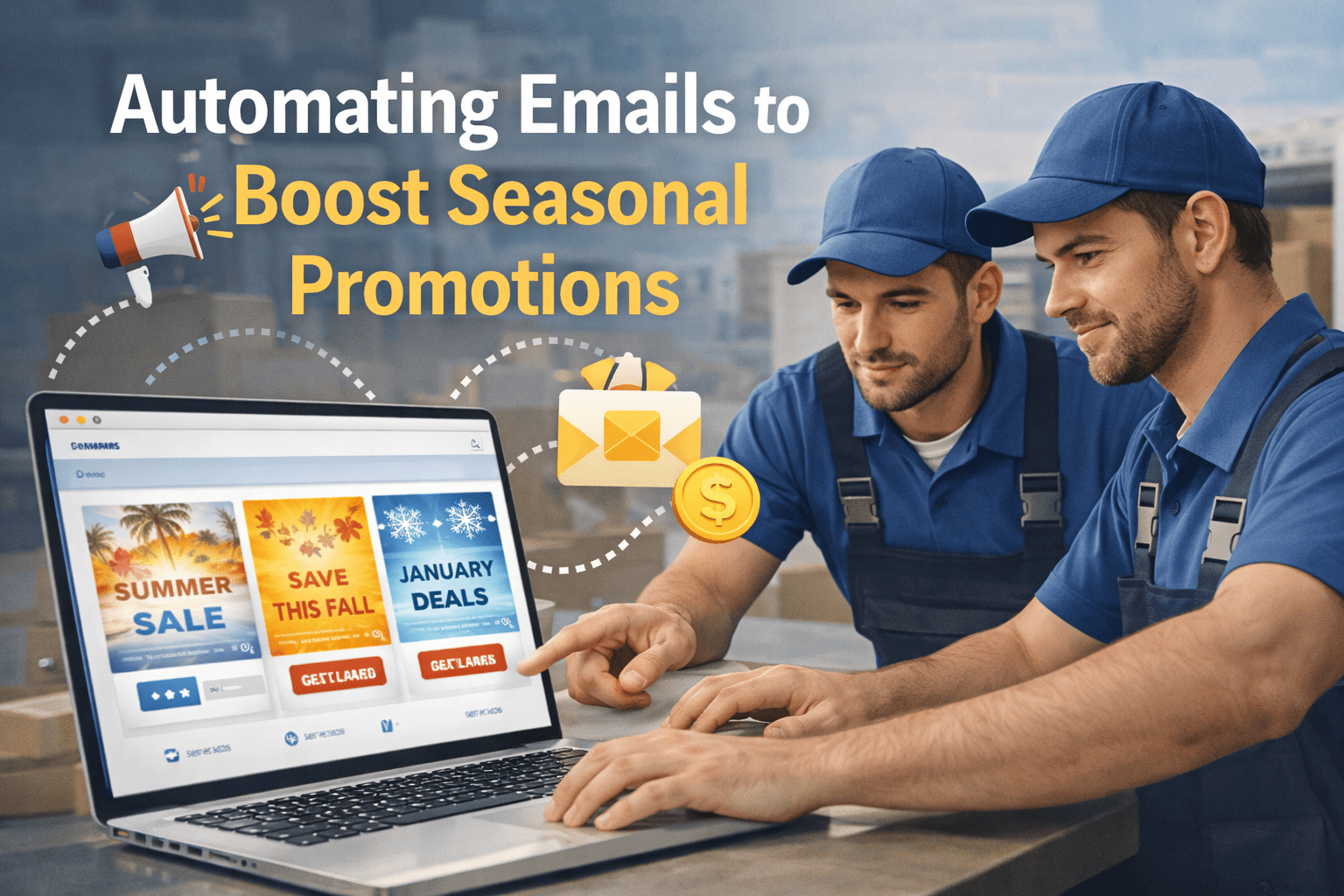
How Movers Can Use Email Automation to Win More Seasonal Bookings
Peak moving seasons create massive opportunities for moving companies, but they also bring intense competition. During these high-demand periods, email automation becomes one of the most effective tools for staying visible, relevant, and timely. Automated email campaigns allow movers to communicate consistently with prospects, promote seasonal offers, and drive bookings without overwhelming internal teams.
For moving companies looking to maximize seasonal demand, understanding how to use email automation strategically can make the difference between missed opportunities and fully booked schedules. When done right, automated emails deliver the right message to the right audience at the right time, boosting conversions and long-term growth.
Understanding Peak Moving Seasons
Certain times of the year naturally generate higher moving demand. Summer months, school year transitions, holidays, and long weekends are typically the busiest periods for movers. Families often prefer to move when school is out to avoid disrupting education, while holidays and extended weekends provide extra flexibility for relocation.
During these periods, online searches for moving services increase significantly. This surge makes peak seasons ideal for targeted marketing. Movers who align their email campaigns with these seasonal trends are better positioned to capture demand, fill schedules, and increase revenue.

Planning Your Seasonal Email Campaigns Early
Successful seasonal email marketing starts with early planning. Preparing campaigns ahead of peak periods gives you time to refine messaging, segment audiences, and align offers with customer needs.
Common goals for seasonal email campaigns include:
- Increasing bookings by encouraging early reservations during high-demand periods
- Boosting brand awareness when online search activity is highest
- Filling last-minute availability with targeted promotions close to peak dates
Email automation ensures these messages are delivered consistently and on schedule. When movers plan ahead, seasonal demand becomes a predictable growth opportunity rather than a logistical challenge.
Segmenting Your Email List for Better Results
Segmentation is essential for making seasonal promotions feel relevant rather than generic. Different types of moving clients have different priorities, especially during peak seasons.
Key segments may include:
- Families planning summer or back-to-school moves
- Students moving at the end or start of semesters
- Businesses relocating offices around fiscal or calendar transitions
- Repeat customers eligible for loyalty discounts
- New leads looking for introductory offers
Using past customer data helps refine these segments. Repeat clients may respond well to loyalty incentives, while new prospects may need reassurance, education, or limited-time discounts. Segmented emails feel more personal, leading to higher engagement and conversion rates.
Crafting Compelling Seasonal Moving Offers
Seasonal promotions work best when they align with customer timing and urgency. Well-crafted offers speak directly to what customers care about during specific times of the year.
Examples of effective seasonal offers include:
- Back-to-school discounts for families moving in late summer
- Holiday move specials for customers relocating before year-end
- Early-bird pricing for clients who book well in advance
- Student discounts during college move-in and move-out periods
Limited-time offers and exclusive deals create urgency, encouraging quicker decisions. Tailoring these promotions to specific segments ensures they feel timely and valuable rather than generic.

Building an Effective Email Automation Workflow
A structured automation workflow keeps seasonal campaigns organized and impactful. A typical seasonal email sequence may include:
- Pre-season teaser emails to build anticipation
- Official promotion announcements highlighting key offers
- Reminder emails as peak season approaches
- Last-chance emails to capture undecided prospects
- Post-season follow-ups to gather feedback and stay connected
Automation ensures these emails go out at the right time without manual effort, keeping your brand top-of-mind throughout the season.
Using Dynamic Content and Personalization
Dynamic content allows emails to adjust automatically based on recipient data such as location, past inquiries, or previous bookings. This ensures customers see offers that match their situation.
For example, a client in a dense urban area might receive messaging focused on apartment or condo moves, while suburban customers see promotions tailored to larger households. Personalization based on past behavior, such as frequent end-of-month bookings, can further refine messaging.
This level of customization increases relevance, engagement, and overall campaign effectiveness.
Scheduling and Timing Your Emails
Timing plays a major role in email performance. While every audience is different, emails sent between Tuesday and Thursday often perform best. Early mornings and late afternoons tend to capture attention before or after the workday.
Email frequency also matters. During seasonal promotions:
- One email per week is typically effective
- Frequency can increase slightly as peak dates approach
- Over-emailing should be avoided to prevent fatigue
Planning your email schedule in advance helps maintain consistency and ensures no opportunities are missed during high-demand periods.

Monitoring and Optimizing Campaign Performance
Tracking performance metrics is critical for improving results over time. Key metrics to monitor include:
- Open rates
- Click-through rates
- Conversion rates
Comparing current campaigns to past performance helps identify what resonates most with your audience. Testing different subject lines, offers, or email formats can uncover opportunities for improvement. Continuous optimization ensures your seasonal campaigns become more effective year after year.
Turn Seasonal Demand Into Consistent Growth With Email Automation
Email automation allows moving companies to capitalize on peak seasons with less effort and greater impact. By planning early, segmenting audiences, personalizing content, and monitoring performance, movers can turn seasonal spikes into predictable revenue streams.
If you want to stay competitive during the busiest times of the year, now is the time to refine your email automation strategy. When combined with high-intent moving leads, automated seasonal campaigns help fill schedules faster, improve customer engagement, and drive long-term business growth with Best Moving Leads Providers.